


02/01/2026 How mindful drinking, bar-ready RTDs, and sustainability are reshaping what bartenders choose to pour in 2026.
Walk into any serious cocktail bar in the U.S. today, and you’ll notice a shift. The drinks are more thoughtful, the menus more intentional, and the spirits chosen with real-world service in mind. As we move into 2026, bartenders are shaping what succeeds behind the bar—and spirits brands must adapt to stay relevant.
At the Bartender Spirits Awards, these patterns show up clearly in judging rooms and conversations with working bartenders. Three trends stand out as defining the year ahead.
Low-ABV & Mindful Drinking Is Setting the Tone
Mindful drinking is no longer a side category—it’s embedded in modern bartending. Guests want balance, flavor, and the ability to enjoy more than one drink without overindulging. Bartenders are responding with cocktails that emphasize nuance over intensity.
Brands leading this space include aperitif and lower-ABV specialists such as Campari (with Aperol and Campari), Martini & Rossi, and non-alcoholic pioneers like Seedlip. On the craft side, distilleries such as St. George Spirits have gained bartender respect for spirits that deliver depth even when used in lighter, split-base cocktails.
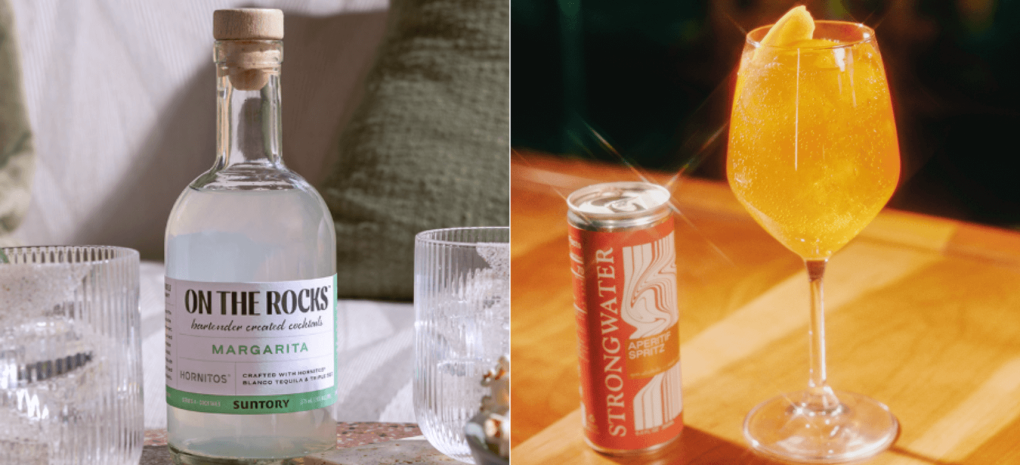
A clear example of how these trends intersect is Strongwater. Their Aperitif Spritz, named Non-Alcoholic of the Year at the Bartender Spirits Awards, reflects exactly what bartenders are looking for in 2026: balance, restraint, and real bar functionality. Rather than mimicking full-strength spirits, Strongwater leans into aperitif culture—bitterness, freshness, and complexity—making it easy for bartenders to integrate into low-ABV and zero-proof menus without rewriting their cocktail programs.
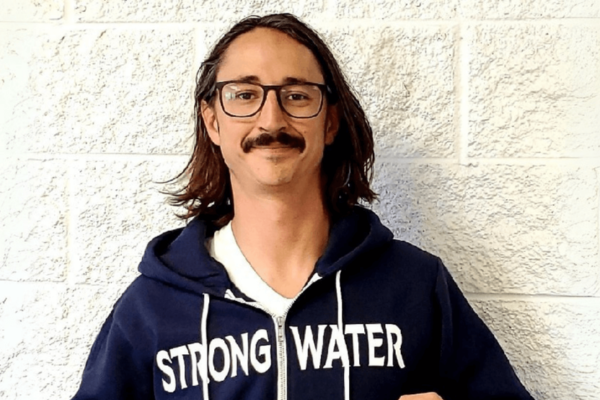
Image: Kyle West, Beverage Engineer at Strongwater.
Its success highlights a broader shift: non-alcoholic spirits that are designed for bartenders, not just consumers, are earning genuine credibility and placements behind the bar.
For bartenders, the question is simple: Does this spirit still perform when the alcohol is dialed down? Brands that answer yes are earning consistent back-bar placements.
RTDs Are Becoming a Behind-the-Bar Tool
Ready-to-Drink cocktails have grown up. In 2026, bartenders are no longer dismissing RTDs—they’re using them strategically. High-quality RTDs now support speed, consistency, and staffing challenges without compromising standards.
Brands such as Cutwater Spirits and On The Rocks Cocktails have found success by focusing on balance and bar-friendly flavor profiles. Even spirits-first brands entering RTDs, like High Noon, have helped normalize RTDs as credible menu options in casual and high-volume venues.
A strong example of RTDs earning real behind-the-bar credibility is Straightaway Cocktails. Their Mai Tai, named International RTD of the Year at the Bartender Spirits Awards, demonstrates how far the RTD category has evolved. Built with balance, recognizable cocktail structure, and service-ready consistency, Straightaway’s approach mirrors how bartenders think about classic drinks—flavor first, speed second, and quality always. Its recognition underscores a key 2026 reality: RTDs that respect cocktail tradition and bar workflow are no longer shortcuts—they are legitimate tools that bartenders are confident putting on menus.
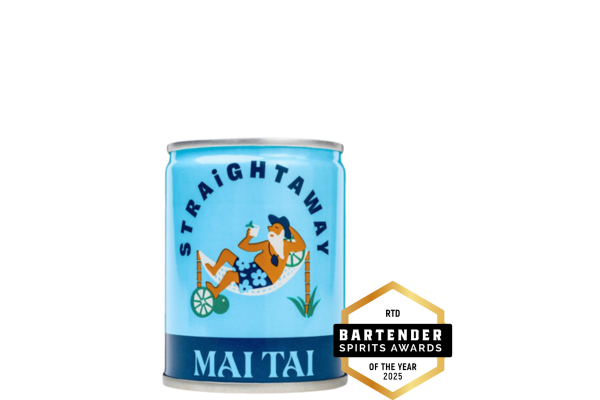
Bartenders are clear: RTDs work when they are easy to serve, taste clean over ice, and feel designed for bars, not just retail shelves.
Sustainability & Local Sourcing Now Influence the Pour
Beyond flavor and function, bartenders are paying close attention to what a brand stands for. Sustainability and local sourcing are no longer marketing add-ons—they’re part of the quality conversation.
Distilleries such as Balcones Distilling have built strong bartender followings by emphasizing local grains, transparent production, and a clear sense of place. Smaller regional producers across the U.S. are also benefiting as bars look to support local economies and reduce their environmental footprint.
Another compelling illustration of this trend is Westward Whiskey, which has earned consistent respect from bartenders for its deep commitment to local sourcing and transparent production. Made in Oregon using locally grown barley and brewed like beer before distillation, Westward’s process resonates with bartenders who value authenticity and a clear sense of place.
Its sustainability-led approach isn’t positioned as a marketing hook—it’s embedded in how the whiskey is made. For bartenders in 2026, brands like Westward are easier to recommend because the story is honest, the supply chain is clear, and the spirit delivers both quality and values in the glass.
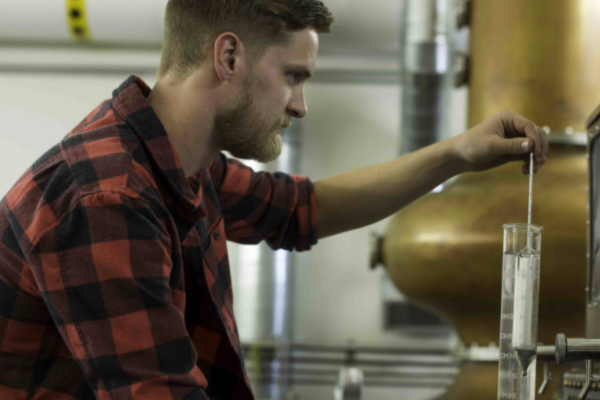
Image Title: Master Distiller Tyler Pederson
See full interview: From Homebrewer to Master Distiller: Tyler Pederson’s Journey at Westland Distiller.
Sustainability also shows up through distilleries that build their identity around place and process, such as Minden Mill Distillery. Highlighted in a 2025 Bartender Spirits Awards producer profile, Minden Mill operates with a true grain-to-glass philosophy, sourcing its grains directly from Nevada farms and controlling every step of production on site.
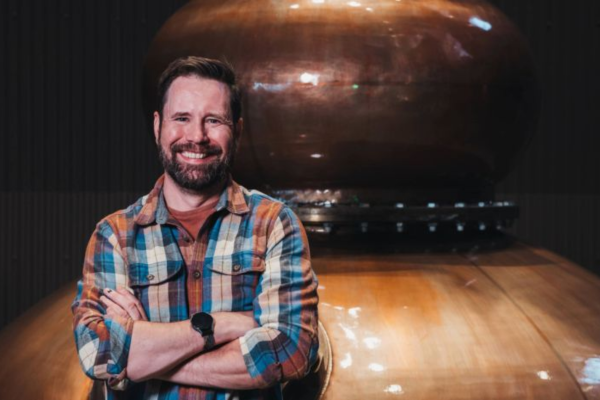
Joseph Osullivan, Master Distiller at Minden Mill Distilling
Led by Joseph O’Sullivan, the distillery’s approach reflects what bartenders increasingly value in 2026: honesty, regional character, and a clear connection between agriculture and the final spirit. For bars looking to tell meaningful stories and pour with purpose, brands like Minden Mill feel both relevant and future-focused.
Bartenders don’t expect perfection—but they do expect honesty. Brands that can clearly explain where ingredients come from and how spirits are made are easier to recommend to increasingly conscious guests.
What This Means for Spirits Brands in 2026
Across all three trends, the message from bartenders is consistent: spirits must work in real service conditions, align with modern values, and deliver quality without excess.
This is why bartender-judged competitions like the Bartender Spirits Awards matter. They reflect how spirits are actually used, judged, and recommended in today’s bars—not just how they taste in isolation.
Are your spirits aligned with modern bartending?
Enter the Bartender Spirits Awards by January 31, 2026, to secure Early Bird pricing and have your brand judged by the bartenders who influence what gets poured behind the bar.
Also Read:
From Homebrewer to Master Distiller: Tyler Pederson’s Journey at Westland Distillery
Crafting Whiskey with Purpose: Joseph O'Sullivan’s Vision at Minden Mill
Aperitif Spritz by Strongwater Named Non-Alcoholic of the Year — Behind the Brand’s Vision
Get evaluated by leading U.S. bartenders and beverage buyers. Enter by September 30 and save $100 per spirit.