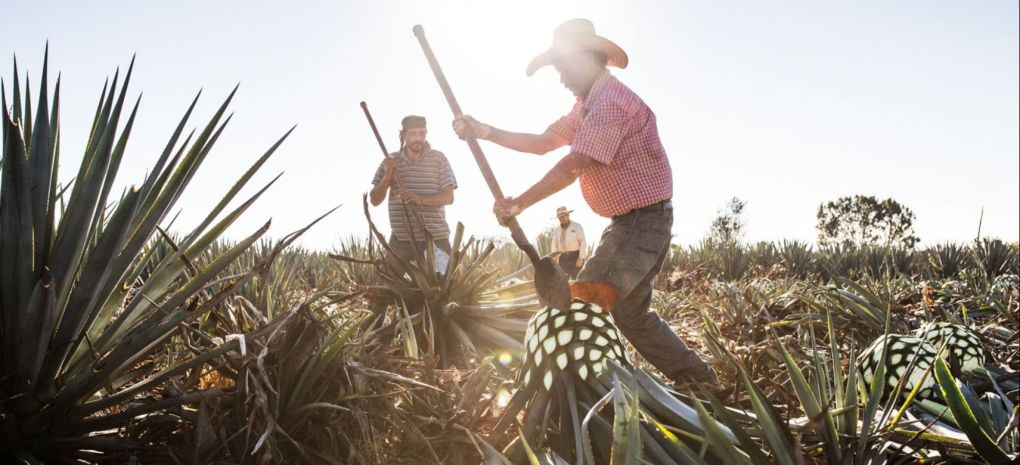
21/10/2026 Origin, estate-grown agave, and production choices become powerful selling tools when producers connect them with flavour, serving occasions, and value.
A tequila producer arrives at a bar carrying a bottle, a technical sheet, and a compelling account of the people who made it. There are photographs of agave fields, explanations of cooking methods, and stories of family knowledge passed between generations, yet the buyer’s most important question remains unanswered: what will this tequila contribute to the business?
For producers seeking a place in the US on-premise market, that question should shape how the story is told. Heritage can attract attention, but a listing requires a clearer connection between the product, the drinks program, and the guest who will eventually order it. Bartenders need information they can use confidently during service, while buyers need to understand the bottle’s role within an existing selection. The opportunity is to translate meaningful production details into a persuasive buying proposition, giving every claim a practical destination in the glass.

Source: The Manual
Begin With the Decision Your Story Must Support
Before developing a brand presentation, producers should identify the decision they want to influence. A beverage director evaluating a house Margarita tequila has different priorities than a bartender recommending an extra añejo after dinner, even when both consider products from the same producer. For the buyer, the story should explain why the bottle deserves space, how its pricing fits the program, and whether supply can support demand. For the bartender, it should establish the expression’s flavour, its useful applications, and the guest preferences it might suit. For the guest, it should give a clear reason to choose that pour. This gives producers a useful framework: connect a verified product fact with its sensory or practical relevance, then explain the occasion where that relevance becomes valuable. A detailed history can support the conversation, but the opening proposition should make the product’s purpose immediately apparent.
Make Origin an Invitation to Explore
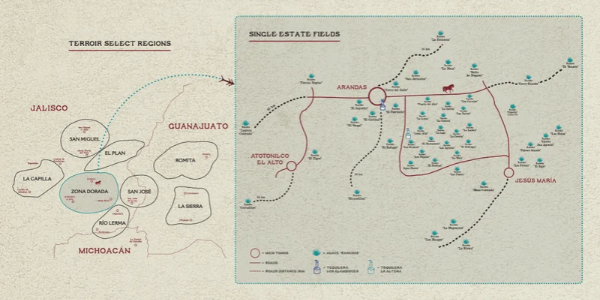
Origin becomes commercially useful when it gives bartenders something specific to explain and guests something interesting to discover. Naming a region establishes provenance, while identifying a field, harvest, or grower can create a more focused conversation about the tequila’s identity. Tequila Ocho provides a useful example through its Single Estate releases, which connect individual fields with particular vintages and offer an online archive through which drinkers can explore their bottles. That structure makes provenance accessible beyond the producer’s presentation, giving a bar material for a guided tasting or a comparison between releases.
For other producers, the lesson is to make their own sourcing information equally understandable. A named growing area, an accurate map, and an explanation of why that agave was selected can provide a foundation for staff education. Sensory descriptions should then come from tasting the actual expression, with regional generalizations treated carefully because cultivation and production decisions also influence the result. A bartender gains a more useful recommendation from knowing that a particular release shows pronounced herbal notes and peppery intensity than from repeating an unsupported assumption about every tequila from its region.
Source: Tequila Ocho
Explain What Estate-Grown Agave Enables
“Estate-grown” can attract interest, but producers should explain precisely what the term means within their operations, including who owns or manages the land, how harvesting decisions are made, and which expressions use the stated source. Single-estate sourcing and estate ownership also describe different things, so sales materials should distinguish agave originating from one property from agave grown on land owned or managed by the producer. The strongest explanation follows the farming decisions through to the finished product. Where a producer can document its involvement in cultivation and harvest selection, the story can demonstrate traceability and coordination between the field and distillery. Where the claim applies only to a particular release, that distinction should remain clear. Estate-grown agave does not automatically establish superior flavour or environmental performance, which require separate evidence. Its commercial value comes from giving the buyer a more transparent account of the raw material and helping the bartender explain what makes that expression distinctive.
Translate Production Into Something Guests Can Recognize
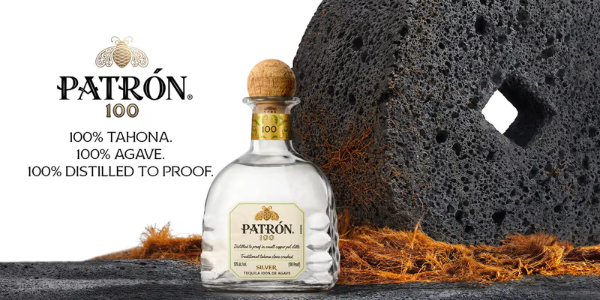
Production information earns its place in a sales conversation when it helps explain the tequila’s character, although the connection requires more care than assigning a guaranteed flavour to a single piece of equipment. Patrón, for example, describes using both tahona and roller-mill processes, with the resulting tequilas distilled separately before being combined for Patrón Silver. The useful storytelling opportunity lies in explaining the purpose of those complementary processes within the finished blend.
For a bartender, that information becomes more valuable when a tasting demonstrates the intended balance and provides language suitable for a guest conversation. Producers should therefore present technical details alongside sensory observations, allowing staff to connect what happened at the distillery with what they can identify in the glass. The same approach applies to fermentation, still design, and bottling strength, with the producer explaining the desired style and demonstrating its performance in relevant serves. A production method becomes persuasive when the finished tequila supports the claim and the bartender understands how to communicate its significance.
Source: Bartender Magazine
Give Aging a Purpose Beyond the Number
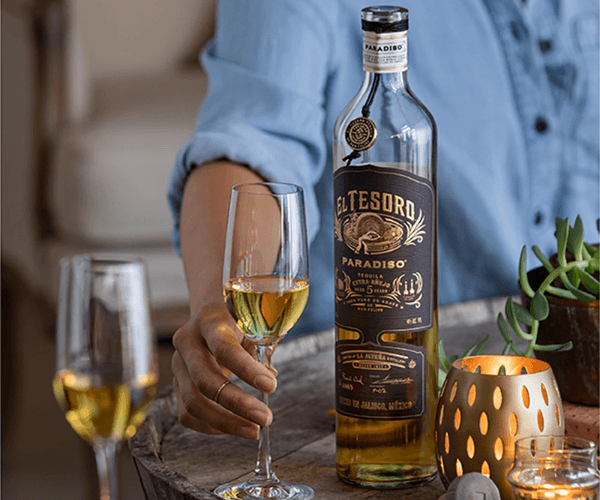
Aging offers an accessible point of entry for guests familiar with whiskey or Cognac, but the sales opportunity extends beyond stating how many years a tequila spent in wood. El Tesoro Paradiso, which the producer describes as an extra añejo aged for five years in French oak ex-Cognac barrels, provides a specific maturation story that a bartender can introduce to a guest interested in barrel-aged spirits. The practical next step would be to taste the expression with the team and establish how its agave and oak characteristics support a neat recommendation or another considered serve. For producers, the broader lesson is to explain why the selected maturation suits the liquid. A reposado might offer the texture and oak influence sought for a particular cocktail, while a blanco could deliver the more direct agave character preferred for another application. Each expression should have a convincing role, allowing the range to address different preferences without suggesting that additional age automatically makes one bottle the better choice.
Source: Spirits Network
Turn Your Brand Story Into a Bartender’s Recommendation
A useful service recommendation combines a distinctive fact, a recognizable flavour cue and a reason to order, while leaving enough room for the bartender to respond naturally to the guest. For a hypothetical reposado, that might become: “This has a peppery agave character with a gentle touch of oak, so I would recommend it if you prefer a richer Margarita.” The explanation works because it connects the liquid with a preference rather than asking the guest to interpret a production specification. Producers can support this approach by preparing a brief guest introduction, a longer explanation for interested drinkers, and a more detailed staff-training version. Each should draw on the same accurate information, with the depth changing according to the conversation. Training should include opportunities to taste, compare, and practice recommendations, because confidence develops when bartenders understand the product well enough to describe it in their own words.
Back the Story With Evidence Buyers Can Use
A persuasive narrative needs practical support, including current technical sheets, sourcing details, expression-specific tasting notes, pricing, distribution information, and cocktail applications. Claims concerning cultivation, production, or environmental practices should have documentation that a buyer can review when needed.
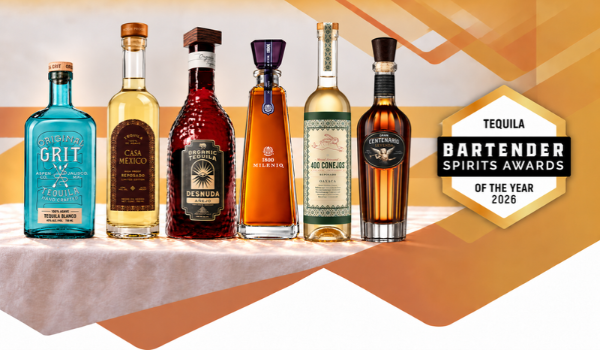
Independent evaluation can add another perspective by examining how the product performs beyond the producer’s own presentation. The Bartender Spirits Awards assesses spirits through criteria including mixability, balance and versatility, taste, mouthfeel and finish, value, and packaging, connecting evaluation with considerations relevant to the on-premise trade.
For tequila producers, entering individual expressions provides an opportunity to place the range before industry professionals and receive criterion-level feedback. Where an expression earns an award, that recognition can support a precise sales claim alongside its production story, intended application, and commercial proposition.
A tequila’s story becomes commercially valuable when it helps someone make a confident choice, connecting the care invested in production with an experience worth ordering. Origin, agave sourcing and maturation provide the foundation, but their significance depends on how clearly producers explain what those details contribute to flavour, character and enjoyment. Every expression should offer a proposition that buyers can assess, bartenders can communicate naturally, and guests can understand without specialist knowledge. Achieving that requires accurate information, thoughtful tasting and a clear sense of where the liquid belongs, whether in a lively cocktail, a guided tasting or a considered sipping occasion. Producers who build those connections give their stories a purpose that extends beyond the initial presentation, supporting recommendations that can lead to repeat orders. The lasting advantage comes from making the promise behind the bottle tangible in the glass, so that curiosity develops into confidence and a first purchase becomes a reason to return.
BSA TEQUILA AD
Header image source: National Geographic
Also Read:
Vozul Tequila: When a Brand Begins With a Voice
Casa México Tequila — Crafting Authenticity in a Maturing Market
Craftsmanship Over Mass Production: Inside Nock Tequila’s Philosophy
Enter the 2027 Bartender Spirits Awards for expert evaluation from U.S. bartenders and on-premise buyers. Receive detailed scores, practical feedback on how to improve, market and sell your spirits, and see who judged your products.