



26/03/2026 Why small Mexican-owned producers are being left behind and what the trade must change
Given recent market trends, agave spirits have carved out a resilient niche in an otherwise turbulent industry. Tequila rode a wave of growth fuelled by celebrity endorsements, a consumer appetite for provenance over mass production, and a shift in drinking culture. Mezcal has followed, earning its own recognition, though it remains, for now, the lesser-known sister of tequila.
Adrián Piñón, founder of Planet Mezcal — a platform dedicated to fostering education, culture, and community around mezcal, has spent six years working in digital marketing and social media strategy. A 2025 Latinos 40 Under 40 honoree and board member of the Silicon Valley Latino Leadership Summit, he spoke with us about exploitation, consumer awareness, and what meaningful industry responsibility looks like.
Edited excerpts from the interview.
You started Planet Mezcal free of charge for Mexican-owned brands. What did you see happening in the industry that made that necessary?
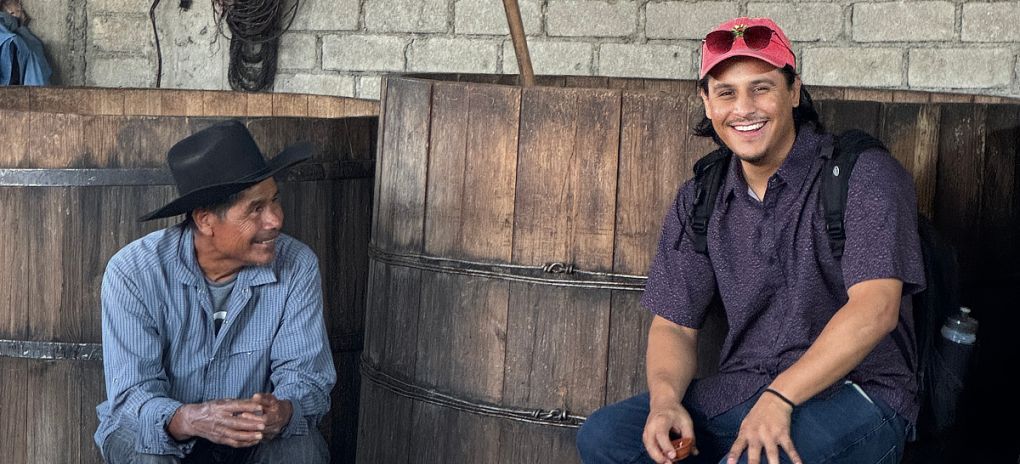
Finding authentic, family-owned mezcal in the market was difficult. Many producers lack reliable internet access, formal marketing experience, or the bandwidth to attract investors while running a full-time operation at the palenque (a mezcal distillery). The result was that smaller Mexican-owned brands were being overlooked and undervalued, while foreign-owned labels with marketing budgets shaped the narrative of the entire category. Planet Mezcal was built to close that gap.
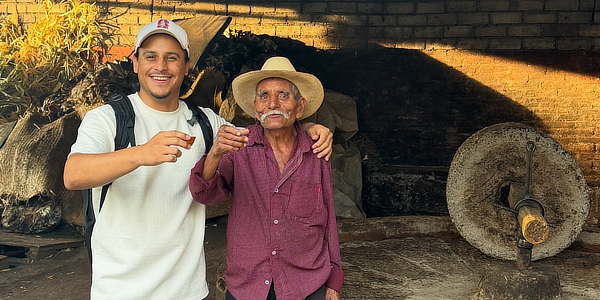
We do not charge small producers for marketing consulting, support, or digital collaborations, and we do not accept favours from small brands. If we work with a mezcalero, we pay for the bottle, or at minimum cover their production costs — because respecting the labour behind each bottle is non-negotiable. Planet Mezcal is my way of giving back to Mexicans in need.
Walk us through what the supply chain actually looks like for a small mezcalero family in Oaxaca, from still to shelf.
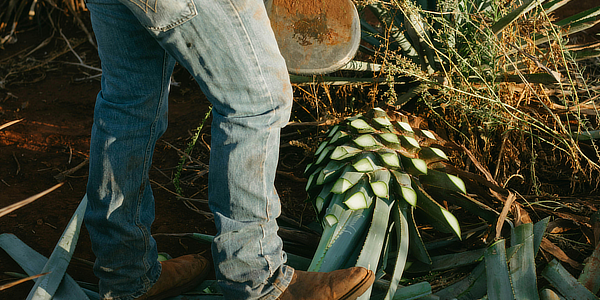
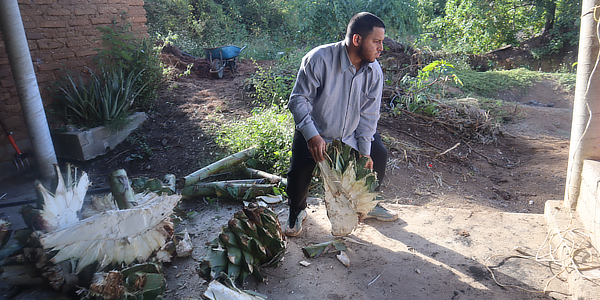
There is no single model. Every palenque operates differently. Some mezcaleros grow and harvest agave from their own land; others travel long distances to source wild agave. Production may happen in a family-owned palenque, a shared space, or a large corporate facility. After distillation, mezcal is typically stored in glass or food-grade containers, sometimes within the home itself.
From there, distribution becomes its own challenge. Large brands have established systems — controlling sourcing, testing, bottling, importing, and global distribution. Small producers usually operate on demand, bottling per order and selling directly to consumers or local buyers. Certification presents yet another barrier: without paying regulatory fees, producers cannot legally label their product as mezcal in certain markets, leaving many reliant on direct, in-person sales.
The short answer is that the supply chain depends entirely on scale, access to capital, and resources.
You've written about how larger brands have a decisive advantage when demand rises. Is the playing field getting more unequal, not less?
Access to capital defines any industry. Companies with funding can secure agave supply, invest in distribution, and scale quickly. Smaller producers have far less margin for error.
That said, consumer behaviour is shifting. People want to know where their mezcal comes from, what agave was used, and how it was produced. There is a clear move toward drinking less but choosing better. This is where small, authentic brands are beginning to gain momentum.
Larger brands have noticed. Terms like "small batch" and "wild agave" are now common across the category, which creates both opportunity and risk. Consumer curiosity benefits small producers, but messaging from larger brands can blur the line between tradition and marketing, often in ways that are quietly deceptive.
There's a real irony here: consumers are paying premium prices for "artisanal" mezcal, but that premium isn't necessarily reaching the artisan. How does that happen?
On a recent trip to Oaxaca, we met several maestro mezcaleros and mezcaleras. Many told us they are not making much money — just enough for food, small repairs, and a little set aside for emergencies. One highly respected mezcalera was candid: the real profits go to the buyers. These buyers speak English, have formal education, access to capital, and operate with stronger currencies.
They launch brands by white-labelling mezcal produced by others, often without offering kickbacks, ownership, dividends, or even proper recognition on the label for the person who made it. In some cases, mezcalero families are lowballed and pressured into deals with the promise of future opportunity that rarely materialises.
With the broader alcohol market contracting, small producers are struggling. Many feel forced to sell their mezcal for far less than it is worth just to support their families. While agave spirits may appear to be performing well from the outside, the reality for those who actually make them is far grimmer.
US tariffs on Mexican imports are a real threat right now. Who gets hurt first — the big brands or the small ones?
Everyone feels it. Large brands may reduce staff or restructure operations. Small producers are often forced to hold inventory longer or sell at lower prices just to stay afloat. At the other end of the chain, consumers face higher prices and reduced selection. Tariffs add pressure across the entire system. The stress is shared at every level.
What does responsible support from the spirits industry actually look like — not charity, but structural change?
It starts with transparency. Many brand-led initiatives claim to support small producers while offering little clarity on how much value is actually returned. That has to change. Real support means fair compensation, clear sourcing practices, and long-term partnerships. It also means investment in infrastructure; some mezcal-producing regions still lack basic resources like electricity and running water.
Responsibility sits with governments, brands, and industry leaders alike. Support the mezcaleros who support your brands.
What role does consumer education play, and how does Planet Mezcal fit into that?
Education is critical. Many consumers still associate mezcal with smoke and a worm at the bottom of a bottle. In reality, the category is remarkably diverse in flavour, process, and regional identity.
Planet Mezcal exists to provide clarity — through content, tastings, educational livestreams, industry collaborations, and stories documented directly from producers.
The goal is to give consumers the context to make informed decisions, while putting the real people behind the brand's front and centre.
Tequila went through its own boom-and-industrialisation cycle. What should mezcal copy — and what should it absolutely avoid?
Tequila built a highly engaged global community, with strong consumer participation from collectors and tasting groups to dedicated events. That is worth emulating.
What mezcal must avoid is the erosion of production standards. Additives, production shortcuts, deforestation, and cost-driven compromises have taken a toll on tequila's reputation.
There are still many outstanding, authentic tequila producers, but it would be dishonest to say the category's integrity hasn't been tested. Mezcal should never replicate that path.
You made a documentary called Mezcal in Danger. What do you want people to take away from it?
Mezcal is both a cultural product and an agricultural one. The documentary highlights the real people behind the process and the pressures they face daily. Nothing was staged — it documents real conditions, real conversations, and real concerns.
The goal was simple: to show that mezcal is not just a product on a shelf. It represents generations of knowledge, labour, and identity. Viewers have told us it changed how they think about mezcal — from a party pour to something sacred.
If the spirits industry read this interview and committed to doing one thing differently — just one — what would it be?
Respect authentic Mexican mezcal producers. Many mezcaleros come from families that have been making mezcal for hundreds of years. It is part of their DNA, their life's work, and how they support their families. Respect for mezcal starts with respecting the people who make it.