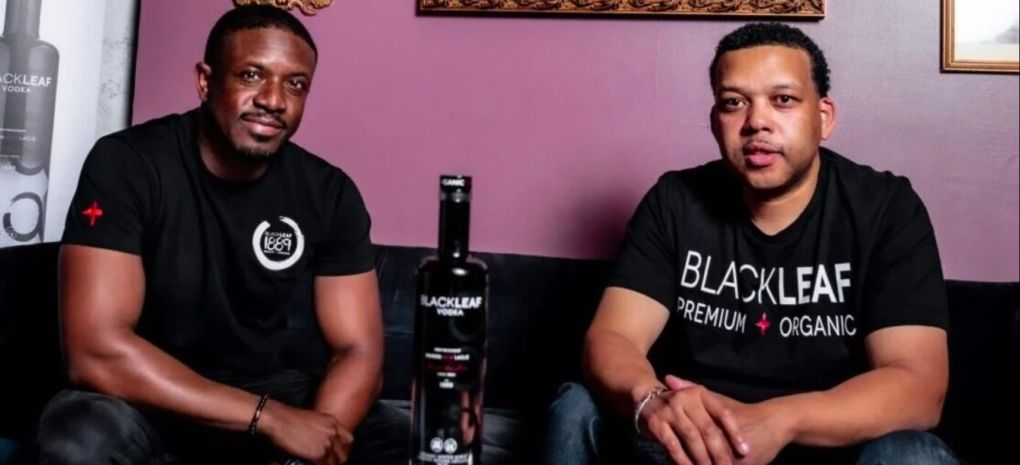
12/11/2026 Kevin Larkai and Monté Burrow discuss building Blackleaf Organic Vodka through sustainable values, bartender partnerships, and smart premium brand positioning.
To win a place behind the bar, a spirits brand must give bartenders something worth pouring and guests a reason to order again. For Kevin Larkai and Monté Burrow, the partnership behind Blackleaf Organic Vodka brings complementary experience to that challenge: Larkai’s finance background and entrepreneurial vision, alongside Burrow’s expertise in spirits operations and marketing. Blackleaf began when Larkai met a distiller in Cognac, France, laying the foundation for an organic vodka crafted through five-stage copper pot distillation. Together, the pair are building a brand around premium quality, environmental responsibility, and a distinctive sense of style. In this interview, Larkai and Burrow share their individual perspectives on the decisions behind Blackleaf, from translating production choices into relevance for bartenders to competing for attention in a crowded category. Their answers explore what it takes to turn a founder’s vision into a bottle that earns recognition, recommendations, and lasting demand.
What did you believe the vodka category was missing when you founded Blackleaf, and how has that belief changed as the brand has grown?
Kevin: Organic existed in a lot of categories, just not really in spirits. And the few organic brands out there felt like they were trying to look premium, but there was still no real premium organic vodka. What was missing was a beautiful bottle that matched the quality of what's inside, and a brand that actually cared about where it came from.
That belief has only gotten stronger. You shouldn't have to choose between what looks good and what's good for you. And that tension is a real problem in the category, which is why we founded Blackleaf.
Blackleaf brings together sustainability, style, and celebration. When those priorities compete, how do you decide which one wins?
Monté: Laid-back luxury. To me, that means enjoying life's finer things without pretension, and it settles most disagreements before they start. If it makes the moment feel special without getting in the way, it works.
So when priorities pull against each other, we ask what serves the moment. We don't create vodka. We create vibes, and the liquid has to carry that.
Why produce vodka in Cognac, and what does that region's distilling expertise contribute beyond a place name?
Kevin: When I met Bertrand Laclie, he kept bringing out cognacs to try, and it was clear he was a master craftsman with decades of experience and a real respect for terroir. That's when the light bulb went on. Cognac has to be double-distilled in copper pot stills, and the cuts decide the spirit. Blackleaf goes through copper pot stills five times, with a fifth-generation cognac maker deciding what makes the cut.
Monté: There's a practical side too. Cognac is seasonal, so when the stills are down, there's room to make vodka, and that schedule gives us access to world-class equipment. And we wanted to bring something to the region that wasn't already there.
Vodka is often sold on neutrality, while Blackleaf emphasizes character. How do you define that character, and how should a bartender introduce it to a guest?
Monté: Fair question, because smooth is the word we've leaned on too. Here's what you actually get: a bit of spiced pear up front, a creamy mouthfeel, and a long, clean finish.
People are never expecting a straight vodka to taste like this. The reaction we get is "wow," over and over. Taste it neat at room temperature, next to whatever you pour now.
If a bartender had just one cocktail to understand Blackleaf, which serve would you choose, and what should they notice in it?
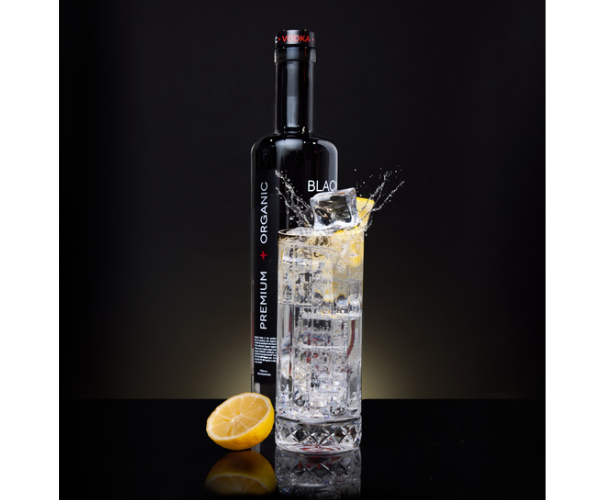
Monté: Honestly? Blackleaf and tonic. It's what I sip myself, and a highball has nowhere to hide. The pear comes through, the tonic lifts it, and it drinks clean.
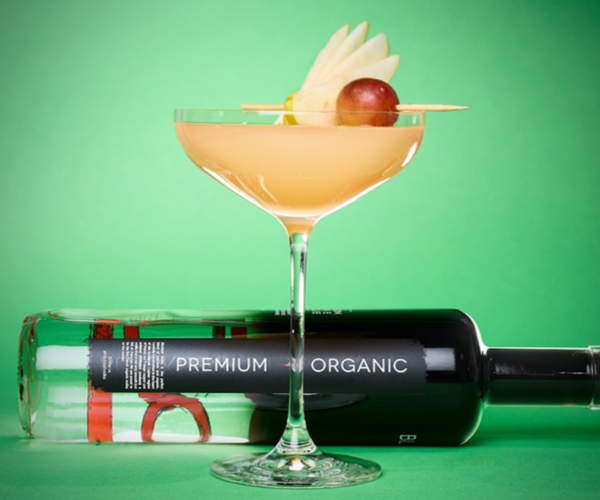
If you want it dressed up, Thandi Walton built Thandi's Tonic for us: an ounce and a half of Blackleaf, half an ounce of elderflower liqueur, topped with Mediterranean tonic.
What has been the toughest objection from a bar buyer, and did it change how you build or sell the brand?
Monté: The toughest one usually goes unsaid: a stigma that Black-owned means a step down in quality. Nobody says that to your face, but you can feel it in how a buyer hesitates. It's a painful one, because we know what's in the bottle.
So we lead with the liquid. Once people taste it, they're pretty hooked, and that stigma is gone from that account for good.
What makes Blackleaf worth its place in a bar's limited vodka selection, particularly when the buyer already has established premium brands?
Kevin: I'd never ask a bar to pull a vodka their guests call for by name. What we really hang our hat on is being the only one that can offer a new experience, not just a new label.
It's the first French organic vodka on the market. It has earned numerous awards and international recognition for its quality. It's priced for a back bar that wants a premium vodka that actually moves.
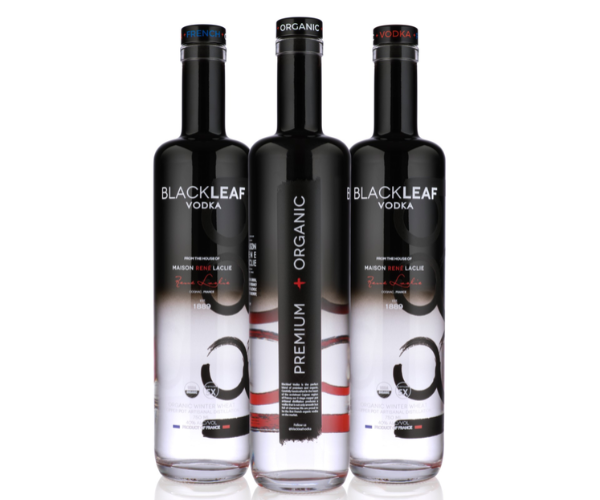
How do you translate sustainability into specific, verifiable details that a bartender can confidently share?
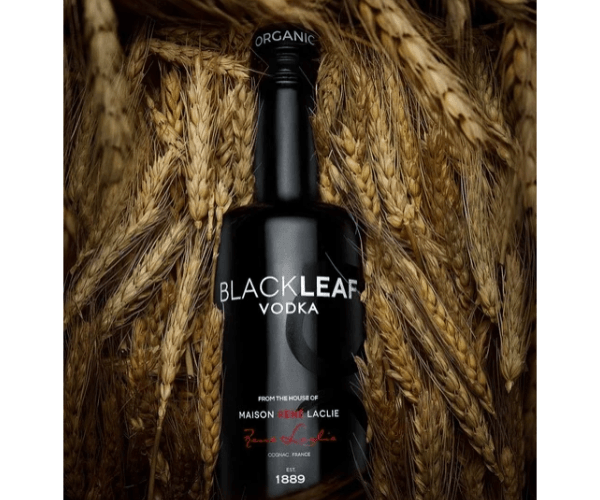
Kevin: Three things a bartender can say while building the drink. The wheat is USDA-certified organic, never touched by synthetic pesticides or fertilizers, and it comes from a single estate in Champagne. The water is Cognac spring water, filtered through limestone and charcoal. And the distillation is five times through copper pot stills. We also use less glass and give the leftover mash back to local farms.
Quality in, quality out. That's the whole story.
[[relatedPurchasesItems-65]]
Premium packaging needs presence, while working bartenders need practicality. What trade-offs have you made in the bottle design?
Kevin: The vodka category is a sea of clear bottles, so we wanted something completely different. If you saw it next to a standard vodka bottle, you'd spot ours first. That's the point.
The trade-off was weight. Heavy glass reads as luxury, and we chose less glass instead. The design is sleek and lightweight with a matte finish, but it's still easy to grip and pour.
The design is printed straight onto the glass with organic inks, so there's no paper label to peel in a wet well. And when our supplier developed a more sustainable cork, we switched, even though it cost more.
What should a spirits founder do after winning an award to turn recognition into lasting bar placements?
Monté: Use the medal to start the conversation, then let the liquid finish it. It's always about building awareness and creating advocacy, so put the bottle in bartenders' hands. That's why we sponsored Atlanta's Mixologist of the Year Awards.
Then keep showing up the right way. Take the small wins and scale them until everyone sees what we know. And tell people: if you walk into a spot and don't see us, ask for us. That's how movements grow.
Through Proof Theory, you explore market niches and use technology to scale. How do you distinguish a promising gap in the market from a concept with limited demand?
Kevin: Monté and I run Proof Theory together, and Blackleaf is where we learned the test. People already wanted organic in their food, so the demand was real. It just hadn't reached spirits in a way that felt premium. That's a gap. Limited demand is when you have to convince people they want something at all.
After that, it's discipline. No flavors or gimmicks for the sake of it. We use lean tools and AI to track every account, and we go deep before we go wide.
What part of your personal story belongs in Blackleaf's identity, and what should the liquid be able to communicate on its own?
Kevin: I'm a dreamer. I was born in Nigeria to Ghanaian parents, grew up in Botswana, and spent years in finance. On a vacation in Cognac, I met what seemed to be the only other Black person in town, a soccer player, and he introduced me to Bertrand. The rest is history. What belongs in the brand is ownership. Our culture makes brands hot, but when it comes to ownership, it's crickets.
Monté: I don't have the sexy France story. I was at Diageo when I met Kevin, and I'd seen products by the hundreds. It doesn't take all day to recognize sunshine. But a story only earns the first pour. The liquid has to earn the second on its own, and it has, in blind tastings where nobody knew our names.
Header Image Source: Blackleaf Vodka
Also Read:
Know Your Distiller: Herman Mihalich on Reviving Pennsylvania Rye at Dad’s Hat
From Bar Culture To Premium RTDs With Crafthouse Cocktails’ Matthew Lindner
The Next Chapter of Asian Whisky Is About Identity, Not Imitation
Enter the 2027 Bartender Spirits Awards for expert evaluation from U.S. bartenders and on-premise buyers. Receive detailed scores, practical feedback on how to improve, market and sell your spirits, and see who judged your products.