


16/09/2026 As premium RTDs mature, Matthew Lindner explains why quality, versatility, brand positioning, and genuine cocktail craftsmanship matter more than ever.
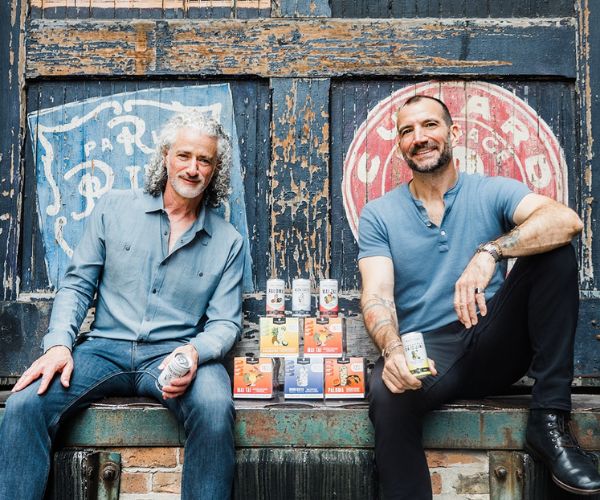
Matthew Lindner has built his career at the intersection of hospitality, entrepreneurship, and the evolving world of premium cocktails. As Co-Founder and CEO of Crafthouse Cocktails, he has helped shape the premium ready-to-drink category by bringing bartender-led thinking, quality ingredients, and a strong understanding of consumer expectations into a packaged format. Working alongside acclaimed bartender and Co-Founder Charles Joly, Lindner has been part of a movement that has pushed RTDs far beyond convenience, positioning them as credible, carefully crafted drinking experiences. His perspective is especially relevant as bartenders, buyers, and operators become increasingly selective about what earns a place on the back bar or menu. In this conversation, Lindner discusses the evolution of RTDs, what makes a spirits brand commercially relevant, the importance of versatility and packaging, and where he sees the next opportunities emerging across the global drinks industry.
Source: Crafthouse Cocktails
Can you take us back to the beginning of your journey in hospitality and explain what eventually led you into the spirits and cocktail business?
I have never been in any industry other than hospitality, which I love. I started working in a yogurt shop at the age of 14 and then was a server at several different restaurants, eventually making it up to manager for a chain in OH. I opened my first bar, Bird’s Nest, in Chicago at the age of 23 and went on to build and run a total of 11 different concepts in 3 states. I consider being in the spirits business an extension of hospitality where I can use the same approach and communication skills while continuing to work with the same industry professionals I had been working with during my restaurant days.
What inspired you and Charles Joly to create Crafthouse Cocktails, and what gap did you see in the market at the time?
Charles and I opened The Drawing Room in 2007. We were one of the first craft and classic cocktail bars in the country, and it allowed us to see firsthand the modern cocktail revolution. We were often asked for recipes so people could leave the bar and make cocktails at home, and quickly discovered that our guests were having a hard time getting the cocktail just right. One of the most important qualities of a good cocktail is balance, and very few people are as good at that as Charles. It’s not something easy to perfect without practice. We looked at the current retail offerings and recognized that there were only artificial offerings that were beverages trying to taste like a cocktail instead of actual cocktails. So we thought, why couldn’t we just make the cocktails for people to help eliminate some of their frustrations around making them themselves? Of course, we want people to enjoy the art of cocktail making at home, but we recognized that some people were looking for an alternative to trying to make the cocktails themselves. At the time, no one was doing premium pre-made cocktails commercially. We couldn’t even find a manufacturer in the United States that was comfortable using real spirits and juices instead of just flavorings. We ended up producing at a hard cider facility in Canada. Crafthouse was the first to ever sell a premade Moscow Mule and Paloma.
What separates a genuinely premium ready-to-drink cocktail from the increasingly crowded number of products entering the category today?
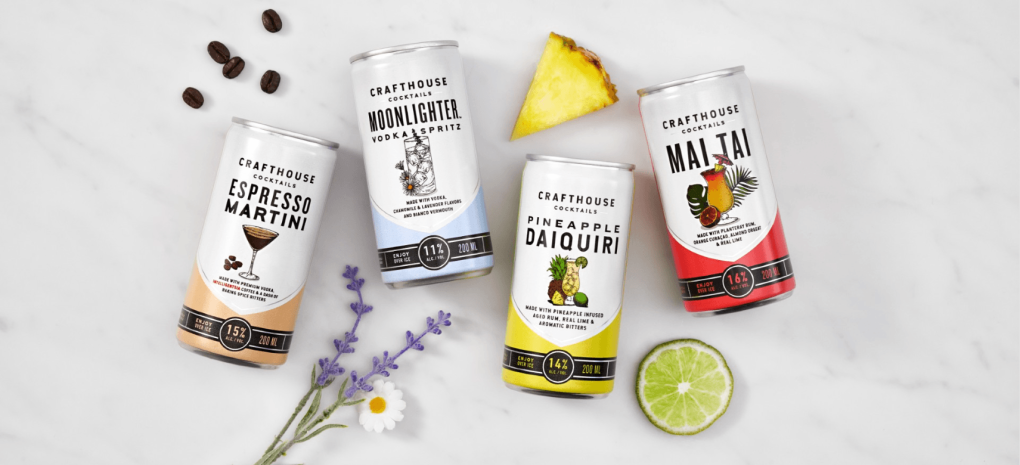
There are lots of different quality RTD’s in the market, and I truly believe there is a time and place for most of them. The thoughtfulness put into a genuine premium ready-to-drink makes all the difference. At Crafthouse Cocktails, we don’t spare any expense, which makes us generally more expensive on the shelf. We use real spirits from some of the best spirit and ingredient suppliers in the world, and also use real juices and real sugar. All of our cocktails are true-to-proof cocktails put into a can, then using the ABV% to act as the preservative.
Source: Crafthouse Cocktails
Crafthouse launched well before premium ready-to-drink cocktails became a major category. How have you seen consumer perceptions of RTDs change since those early days?
We have seen a tremendous amount of consumer and buyer perception change. When Crafthouse first launched, retailers didn’t know where to put us on the shelf, and on-premise accounts wanted nothing to do with us. They thought all cocktails should be constructed behind the bar. Now we have seen a total shift. Retailers have whole aisles dedicated to RTD/RTS’s and consumers are continuing to look for a convenient way to find a quality alternative to beer and wine for entertaining, home use, and to take on an outing. Also, in more on-premise applications, buyers are recognizing that the speed of service, quality, and inventory control, combined with general consumer acceptance, have allowed them to transition to more RTDs as part of their beverage program. Brands like High Noon have helped lead the way to more traditional restaurant and bar applications. We see a lot of success with restaurants choosing Crafthouse Cocktails over making more complex or time-consuming cocktails at their bars.
From your experience, what makes a spirits or cocktail brand truly relevant to bartenders rather than simply attractive to consumers at retail?
We want bartenders to use Crafthouse. Both at work and in the home. There is nothing we like more than hearing from one of our industry friends that they had Crafthouse at their own party because they didn’t want to get stuck making cocktails and knew their guests would be very happy with the quality of ours. For us to be relevant behind the bar, the staff needs to see three things: it doesn’t negatively affect their tips, they get a lot of positive feedback, and it increases their speed of service. Once they recognize those three things, we win almost every time.
Bartender Spirits Awards evaluates products on factors including taste, mixability, versatility, value, and packaging. Which of these do you believe is most difficult for a new spirits brand to get right?
For the RTD/RTS category, it’s going to be taste. There are so many ways to try and make a product taste like a cocktail using all kinds of flavoring, or even when done properly, it is still hard to get the balance and profile just right. None of those factors are easy to get right, but the profile is the hardest.
Packaging is often treated primarily as a marketing tool, but behind-the-bar functionality matters just as much. What should producers consider when designing packaging for the on-premise trade?
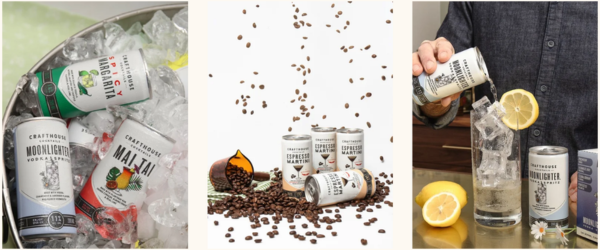
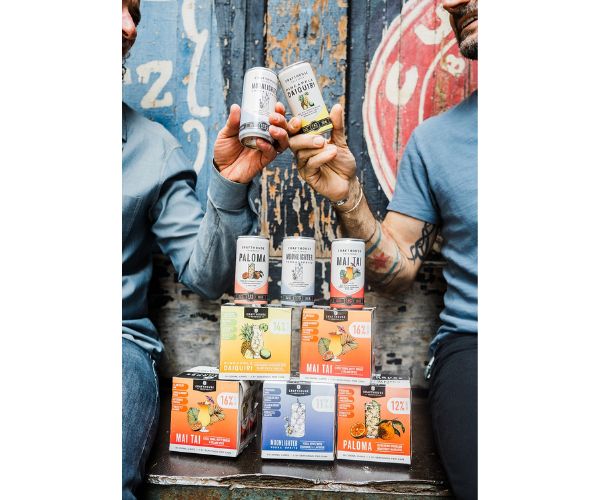
Ease of use. We have all our cocktails in single-serve cans, which allows for inventory control and speed of service. The larger formats, which we have done in the past and will likely explore again in the future, allow for lower pour costs, which is also a consideration for purchasers, but you do lose a little of the speed and inventory control.
Source: Crafthouse Cocktails
You have worked at the intersection of hospitality, product development, and entrepreneurship. How has your hospitality background influenced the way you build and position Crafthouse?
Everyone on our team has a foundation in hospitality, and with Crafthouse, we use many of those same principles we used at our bars and restaurants. We want people to enjoy their interactions with the brand and the people associated with the brand. It was always a pillar of our venues’ philosophy to make sure people had a positive experience at every level. From being greeted when they walked in the door to saying goodbye when they left, and everything in between. Someone might forget how much they liked their meal, but they never forget how that establishment made them feel. With Crafthouse, we obviously want people to enjoy the cocktail inside the can, and we also want them to smile when thinking about Crafthouse and know confidently that they are supporting people who truly believe in what they are doing and doing it for all the right reasons.
How do you balance premium ingredients and production costs with the need to offer a price point that works commercially for operators and consumers?
That is a challenge. We lose in those situations where cost is the primary driver, which is ok. We need to continue to focus on those venues or retailers that value the quality of Crafthouse Cocktails.
With premium RTDs now appearing everywhere from restaurants and hotels to airlines, arenas and lounges, where do you see the biggest opportunities for the category over the next few years?
It is all those places and more. When we sat back and thought about the category 15 years ago, we didn’t see many places where a well-constructed premade cocktail didn’t have a place. We are thrilled to have amazing partnerships with major players in all those spaces mentioned, from United Airlines, Virgin Voyages cruise line, Legends Global, as well as several amazing hotel and resort properties. These are all brands that exemplify what I mentioned above about valuing quality.
Finally, after years of building businesses around cocktails and hospitality, what still excites you most about the drinks industry today?
Innovation- there is still so much innovation that can happen in the adult beverage space.
Header image source: Crafthouse Cocktails
Also Read:
Yacht Life Vodka: Building a Luxury Spirit Around the Art of the Good Life
Vodka's On-Premise Renaissance: How Cocktail Culture Is Reshaping America's Spirits Landscape
Crafted from the Wild: Why Trade Buyers Are Turning to Warn Reserve for Premium Cocktail Bitters
Get evaluated by leading U.S. bartenders and beverage buyers. Enter by September 30 and save $100 per spirit.