


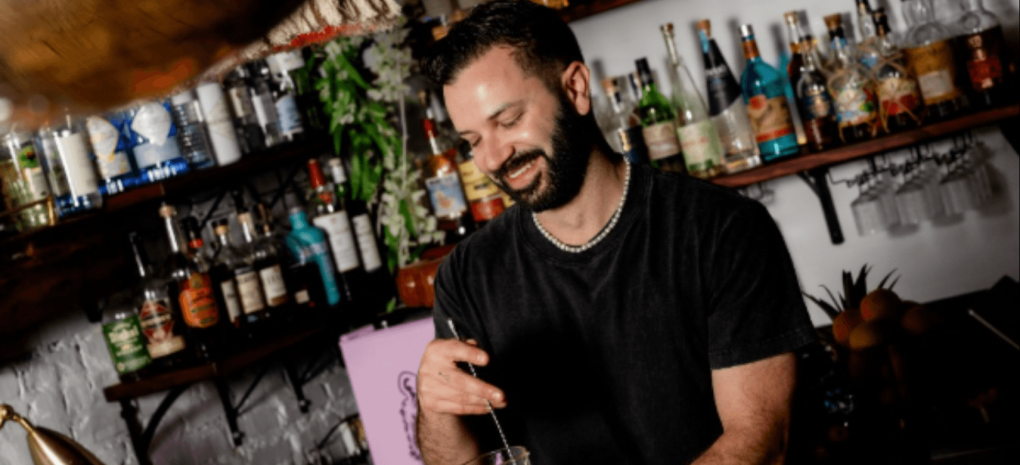
17/09/2026 David Mor shares what makes a good bartender, how to build an effective drinks menu and why spirits brands must personalize their pitches.
David Mor leads the beverage programs at Mariela, Mirra, Lilac Tiger and Truce. Across these Chicago concepts, he brings together thoughtful hospitality, confident menu development, team mentorship and a clear understanding of what makes a bar relevant to its neighbourhood.
For David, bartending is ultimately about people. A joke, a recommendation or a genuine connection can change the course of a guest’s day or night. His approach also places significant importance on kindness, preparation, product knowledge, and understanding the individual identity of every bar.
In this edition of the Know Your Bartenders series, David discusses his passion for hospitality, the drink trends catching his attention, his approach to mentoring bartenders, and what spirits brands should know before pitching their products to a bar.
Tell us something about yourself
Although hospitality is my passion and career, the Real Housewives universe really is where my heart and mind belong.
What inspired you to get into bartending?
The immediate gratification of telling a joke or making a connection and seeing how that connection with a guest can change the course of their day or night.
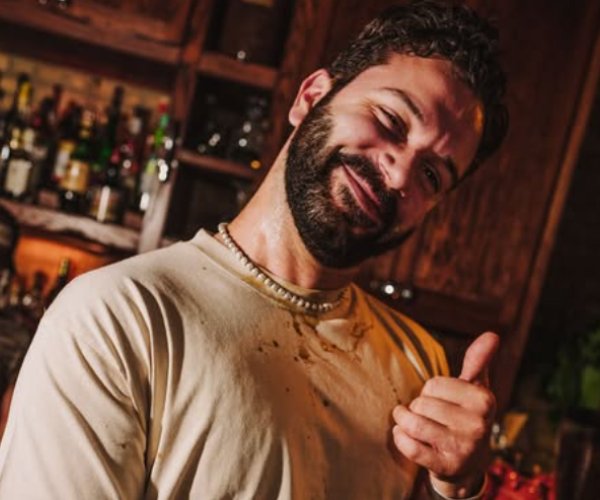
Owner, Mor Hospitality, Inc.
What are some of the most important skills for a bartender to have?
Patience, natural warmth and kindness, and an attention to detail.
What do you look for when you plan to buy spirits for your bar?
Quality craftsmanship, something I actually enjoy sipping on and making drinks with, and the people making it are good people.
What support programs work best for you from suppliers?
Taking care of my bar team, whether it's giving them swag, taking them out on trips or activations, or offering them spirits education.
David’s answer highlights the importance of supporting the people who introduce a product to guests. Spirits education can give bartenders the knowledge and confidence to recommend a brand, while trips and activations can help them understand the people and ideas behind it.
Effective supplier support should create genuine engagement with the bar team rather than ending once a product earns a place on the backbar.
What cocktail and drink trends do you see trending right now?
Minimalism in garnishing, modernized unbalanced classics, joy and humor in menu writing.
These trends reflect a move towards drinks that communicate personality without depending on excessive presentation. Minimalist garnishing keeps the focus on the cocktail, while humour in menu writing can make a program feel more approachable and memorable.
Modern interpretations of classics also give bartenders an opportunity to offer guests something recognizable while expressing the individual point of view of the bar.
What's the best part of your job?
Getting to mentor bartenders and help mold them into kind and impactful hospitality professionals.
Mentorship is central to David’s approach to beverage leadership. Technical knowledge matters, but his answer shows that developing bartenders also means helping them become thoughtful and positive hospitality professionals.
The impact of a beverage director can therefore extend beyond the drinks menu. It can shape how the entire team communicates with guests, supports one another and represents the venue.
What are your favorite TV shows right now? Or your favorite movie?
Real Housewives of Orange County, Real Housewives of Atlanta, Damages, Hanna, Heartstopper
If you had to pick one spirit as your personal best, which would it be and why?
Gin. I love it on its own (warm or chilled). I think it's a gorgeous thing to enjoy in its fullest potential.
How are you marketing your bar to drive foot traffic?
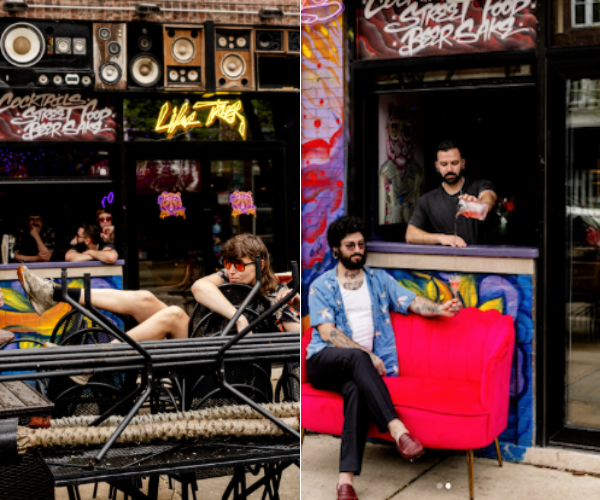
A-Frame signage, attention to what the neighborhood wants, demonstrating that awareness on the menu, and cheeky social media.
David’s marketing approach begins with understanding the neighbourhood around the bar. Marketing becomes more relevant when the drinks menu and communication demonstrate an awareness of what local guests actually want.
A-frame signage can reach nearby foot traffic, while cheeky social media allows the personality of the bar to reach guests before they arrive. Together, these tools connect the physical location, the drinks program, and the venue’s voice.
Any tips for bartenders on how to upsell or cross-sell?
Only upsell something you can speak about honestly and confidently. You're selling your confidence, and not the spirit.
Guests are more likely to respond positively to a recommendation when it comes from genuine knowledge and enthusiasm. Confidence must be supported by an honest understanding of the product and why it suits the person sitting at the bar.
The objective is not simply to persuade a guest to spend more. A successful recommendation should improve the experience and strengthen the guest’s trust in the bartender.
Tips for brands looking to pitch to bars? What should they cover in their pitch? What do you not need to know? Give us the best elevator pitch brands can do to you.
The brand should really understand the bar they're talking to. The same pitch doesn't work at Kumiko as it would at a TGI Friday's, so stop offering the same advice to both bars. Get to know the bar, their specialties, and why the brand could make sense there. I don't need recommendations on how YOU would craft a cocktail with it.
"Hey! Love what you're doing at Mariela. Clearly, you're putting an emphasis on classics with a coastal and maritime style to them. I'm seeing Portuguese, Spanish, and Greek influences. For a lot of bars, I'd recommend this Bourbon as a full base spirit in their cocktails, but I actually think for y'all, considering it as a split-base with your more rum-forward stirred cocktails could be nice, help provide some oomph, etc."
David’s example illustrates the difference between a generic sales presentation and a useful, account-specific proposal. A brand representative should study the venue, its menu, its influences, and the style of drinks it serves before starting the conversation.
The pitch should then explain where the spirit could genuinely fit within that particular program. Offering every account the same cocktail idea risks showing the buyer that the brand has not taken the time to understand the bar.
Define a good Bartender according to you.
A good bartender is one who moves with ease, knows the lay of the land like it's their own apartment, and so they are able to walk around in it with confidence and a sense of lightness. A good bartender has studied their menu like they're being tested by guests on their knowledge, and not just their ability to get a drink to them quickly. A good bartender enjoys bartending, and enjoys people.
What's an ideal bar drinks menu? What should it include, and what profit metric should it try to achieve?
An ideal bar drinks menu is on-brand, has a point of view, and emphasizes good-tasting drinks and not unique-to-look-at drinks. It should include something for a simpler and clean palate, a juicy and refreshing palate, and a slow-sipping and mature palate. Your ideal beverage cost, depending on your business model, should sit at an average of 13%-17%.
Warmth, Confidence and a Clear Point of View
David’s answers demonstrate that strong bartending is not defined by technical ability alone. Patience, kindness and natural warmth shape the guest experience, while preparation and menu knowledge allow bartenders to move through service with confidence.
The same clarity should guide the drinks program. A successful menu needs to reflect the identity of the bar, serve different guest preferences and prioritize flavour over unnecessary visual novelty. It must also perform commercially, with David identifying an average beverage cost of between 13% and 17%, depending on the business model.
For spirits brands, his message is direct: understand the account before making the pitch. Research the venue, recognize its influences, and explain specifically where the product belongs. A personalized and commercially relevant idea will always be more compelling than a generic cocktail recommendation.
Get Your Spirits Evaluated by Leading U.S. Bar Buyers
If you are a spirits brand, distillery, or importer looking to get your products in front of experienced bartenders, beverage directors, bar owners, and on-premise decision-makers, the Bartender Spirits Awards gives you that opportunity.
Every 2027 entrant will receive comprehensive feedback on each entry, including:
- A complete score breakdown
- Detailed tasting and mixability notes
- Feedback on how the spirit can be improved
- Recommendations on how to market and sell the product
- Suggested serving and cocktail applications
- Transparency on who judged the spirit
Enter Your Spirits in the 2027 Bartender Spirits Awards
Get evaluated by leading U.S. bartenders and beverage buyers. Enter by September 30, 2026, and save $100 per spirit.
Also Read:
Know Your Bartenders: Emiliano Esteban Vazquez-Parrales of Mariela
Know Your Bartenders: Danny Shapiro of Scofflaw Group
Get evaluated by leading U.S. bartenders and beverage buyers. Enter by September 30 and save $100 per spirit.