



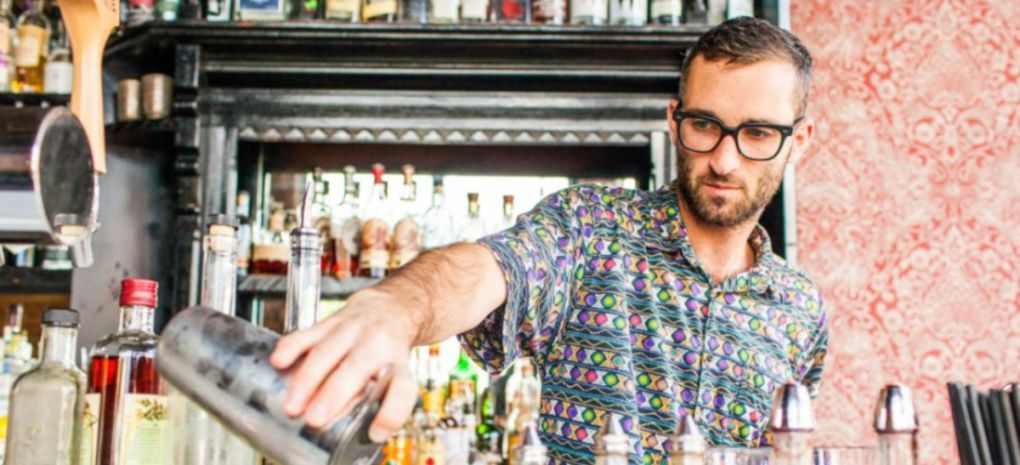
08/09/2026 From moving to Chicago to pursue comedy writing to becoming a bartender and bar owner, Danny Shapiro discusses hospitality, cocktail trends, buying spirits and what brands should include in their pitches.
Danny Shapiro initially moved to Chicago to pursue comedy writing at Second City, but the energy of the city’s cocktail renaissance led him in a different direction. He began as a barback, moved into bartending, and ultimately became a bar owner with Scofflaw Group.
For Shapiro, great bartending is built on patience, warmth, attentiveness, knowledge, and the ability to form genuine relationships with guests. His approach to building a drinks program is equally direct: understand the desired flavor profile, ensure that the price works, and offer guests a balanced range of drinking experiences.
In this edition of the Know Your Bartenders series, we speak with Danny Shapiro about his career, the qualities of a good bartender, the trends influencing cocktail menus, and how spirits brands can make more effective pitches to bar buyers.
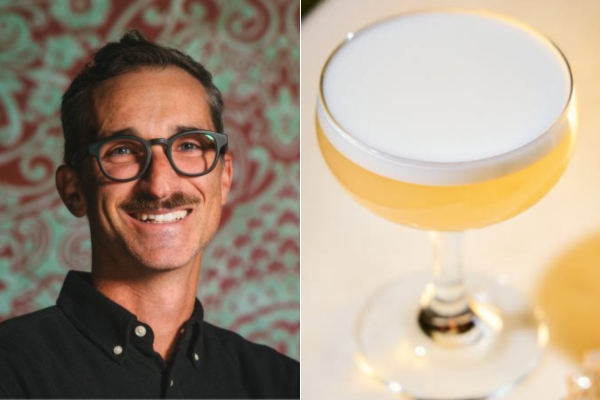
Danny Shapiro has previously served as a judge at the Bartender Spirits Awards and will return to the judging panel in 2027. He brings extensive experience as a bartender, bar owner, and co-founder of Scofflaw Group.
Tell us something about yourself
I moved to Chicago to do comedy writing for Second City, but found myself drawn to the hospitality world. The cocktail renaissance was in full swing and the energy was contagious. First, I started barbacking, then bartending, and ultimately owning bars.
What inspired you to get into bartending?
It started with the bartenders; I admired how they controlled the flow of service, how they developed relationships with guests, and how much they knew about spirits. I knew it would be a worthy challenge, and I was eager to find my own path in it.
What are some of the most important skills for a bartender to have?
Patience, warmth, attentiveness, coordination, knowledge, and a good palate.
What you look for when you plan to buy spirits for your bar?
Flavor profile and price point.
What support programs work best for you from suppliers?
Staff training and spends.
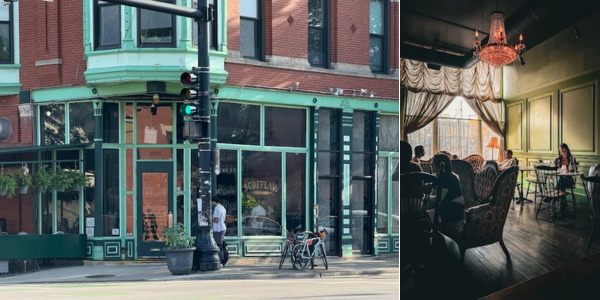
Scofflaw Group is a Chicago-based hospitality company known for creating distinctive, beverage-driven neighborhood concepts. Its venues combine thoughtful cocktail programs with approachable service, strong individual identities, and a focus on building lasting relationships with guests. Led by experienced hospitality professionals, including Danny Shapiro, the group’s portfolio includes Scofflaw and Drama Club, reflecting its commitment to creative drinks, genuine hospitality and memorable bar experiences.
What cocktail and drinks trends do you see trending right now?
Savory cocktails, culinary cocktails.
What's the best part of your job?
Meeting all sorts of people, making memories for them.
What are your favorite TV shows right now? Or your favorite movie?
Slow Horses
If you had to pick one spirit as your personal best, which would it be and why?
Gin because it's the most versatile in cocktails.
How are you marketing your bar to drive foot traffic?
We use social media to show people what we do—from our cocktails and atmosphere to the experiences we create at the bar.
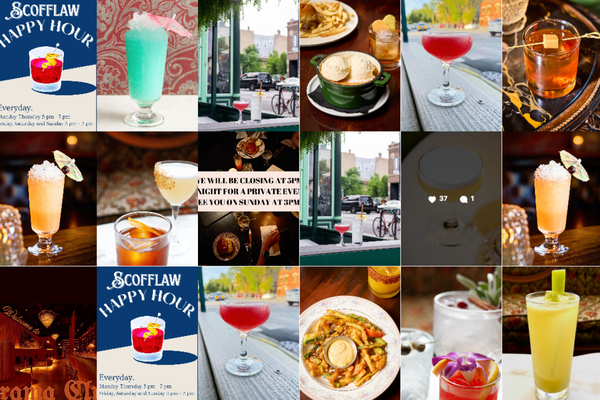
Scofflaw uses Instagram to give potential guests a clear sense of what they can expect before they arrive. Its content puts the drinks, bar atmosphere and people at the centre, visually presenting the personality of the venue rather than relying only on promotional messages. Cocktail photography helps showcase the creativity and quality behind the menu, while images from inside the bar communicate its energy and neighbourhood character.
The account also gives followers timely reasons to visit by highlighting new drinks, seasonal menus, events and what is currently happening at the bar. Together, these posts keep Scofflaw visible, create familiarity with its audience and turn the bar’s everyday activity into an ongoing invitation. The strategy supports Danny’s approach: show people what the bar does well and allow the experience itself to drive interest and foot traffic.
Any tips for bartenders on how to upsell or cross-sell?
I instruct them to familiarize themselves with all products that we carry and to have a few go-tos for recommendations to guests.
What is an experience or a customer story you thought was funny and that you remember?
We had a regular named Simone and a regular named Bonny when we first opened. They used to sit at opposite ends of the bar and were strangers to one another. But, over time, they realized they had the same favorite cocktail (Aviation) and eventually started taking turns sitting at each other's end of the bar. Now they're really good friends and coordinate some of their nights out together. They actually recently came to check out our new bar (Drama Club) together.
Tips for brands looking to pitch to bars? What should they cover in their pitch? What you do not need to know? Give us the best elevator pitch brands can do to you.
A little bit of story, what differentiates the product, why they decided to develop it, release it, how other places have seen success with it. I always appreciate honesty, the good and the bad.
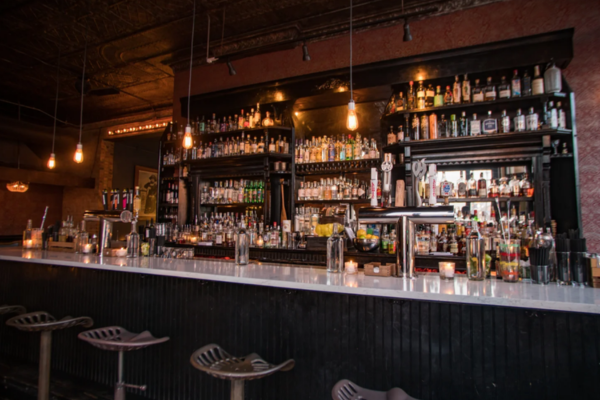
Danny Shapiro began his hospitality career as a barback before becoming a bartender and eventually a bar owner. He went on to co-found Scofflaw Group, helping create some of Chicago’s most distinctive neighborhood bars through thoughtful cocktails, approachable hospitality and a strong sense of community.
Define a good Bartender according to you.
Someone who is attentive, considerate, kind, and knowledgeable.
What's an ideal bar drinks menu? What should it include, and what profit metric should it try to achieve?
An ideal bar drinks menu has a range of profiles. The profit metrics have changed with the rise in labor, so the margins have to be bigger than pre-pandemic.
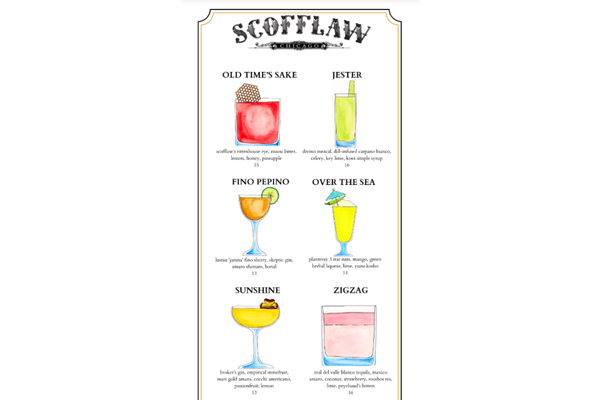
Scofflaw’s bar menu reflects Danny Shapiro’s belief that an ideal drinks list should offer a range of flavor profiles. Rather than expecting every guest to enjoy the same style of cocktail, the menu gives guests different ways into the program—from bright and refreshing drinks to richer, more spirit-forward options. Gin remains an important part of Scofflaw’s identity, but the broader selection makes the experience approachable for guests with different tastes.
The menu also shows how creativity can work alongside commercial discipline. Each cocktail has a distinct purpose, allowing bartenders to guide guests according to their preferred spirit, flavor profile, and drinking occasion. This variety supports more confident recommendations while helping the bar maintain the stronger margins now required to offset rising labor and operating costs.
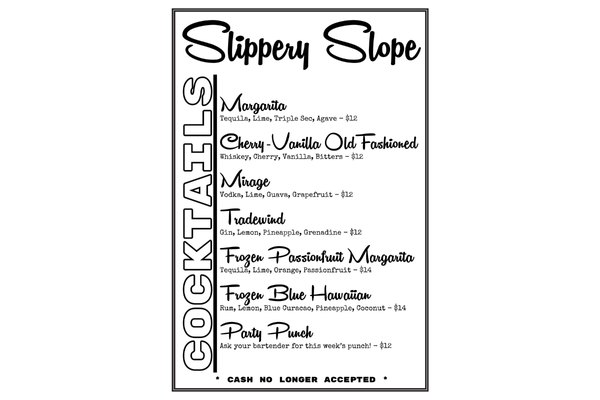
The Slippery Slope cocktail menu puts Danny Shapiro’s idea of offering “a range of profiles” into practice. The selection covers familiar, easy-to-understand styles while giving each drink a distinctive twist. Guests can choose a classic Margarita, a richer Cherry-Vanilla Old Fashioned, the bright and fruit-forward Mirage, or the tropical gin-based Tradewind. Frozen Passionfruit Margaritas and Blue Hawaiians add fun, high-energy options, while the rotating Party Punch gives regular guests something new to discover.
The menu is commercially smart because it remains concise, approachable, and easy for bartenders to explain and execute. Ingredient descriptions allow guests to understand each drink quickly, while consistent pricing—$12 for the core cocktails and $14 for frozen drinks—keeps decision-making simple. It offers tequila, whiskey, vodka, gin, and rum across citrus-led, tropical, fruity, and spirit-forward styles, giving the team a suitable recommendation for many different preferences without creating an unnecessarily complicated menu.
Building Better Bars Through Hospitality and Product Knowledge
Shapiro’s answers reflect a practical approach to bartending and bar management. A good bartender needs technical knowledge and a strong palate, but must also be patient, considerate, and attentive to the people sitting across the bar.
Product knowledge plays an important commercial role as well. When bartenders understand everything the bar carries and have several reliable recommendations ready, they are better prepared to guide guests, upsell naturally and create a more confident service experience.
For spirits brands, Shapiro’s advice is clear: explain the product’s story, show what differentiates it, share why it was created and provide examples of how other bars have successfully used it. Above all, be honest about both the product’s strengths and its limitations.
His story about two regulars becoming friends over their shared love of the Aviation cocktail also captures what Shapiro considers the best part of hospitality: meeting different people and helping create memories for them. A successful bar does more than serve drinks—it creates a place where relationships can form.
Get Your Spirits Evaluated by Leading U.S. Bar Buyers
Danny Shapiro has previously served as a judge at the Bartender Spirits Awards and will return to the judging panel in 2027. If you are a spirits brand, distillery or importer looking to get your products in front of experienced bar owners and decision-makers like Danny, the Bartender Spirits Awards gives you that opportunity.
Every 2027 entrant will receive comprehensive feedback on each entry, including:
- A complete score breakdown
- Detailed tasting and mixability notes
- Feedback on how the spirit can be improved
- Recommendations on how to market and sell the product
- Suggested serving and cocktail applications
- Transparency on who judged the spirit
Enter your spirits to receive practical feedback from leading bartenders, beverage directors, bar owners, and on-premise buyers who understand what makes a product succeed behind the bar.
Enter Your Spirits in the 2027 Bartender Spirits Awards
Also Read:
Know Your Judges: Steven Minor
Know Your Judges: Eric Hausser
Know Your Judges: “Wishka” Russell Davis
Enter the 2027 Bartender Spirits Awards for expert evaluation from U.S. bartenders and on-premise buyers. Receive detailed scores, practical feedback on how to improve, market and sell your spirits, and see who judged your products.