


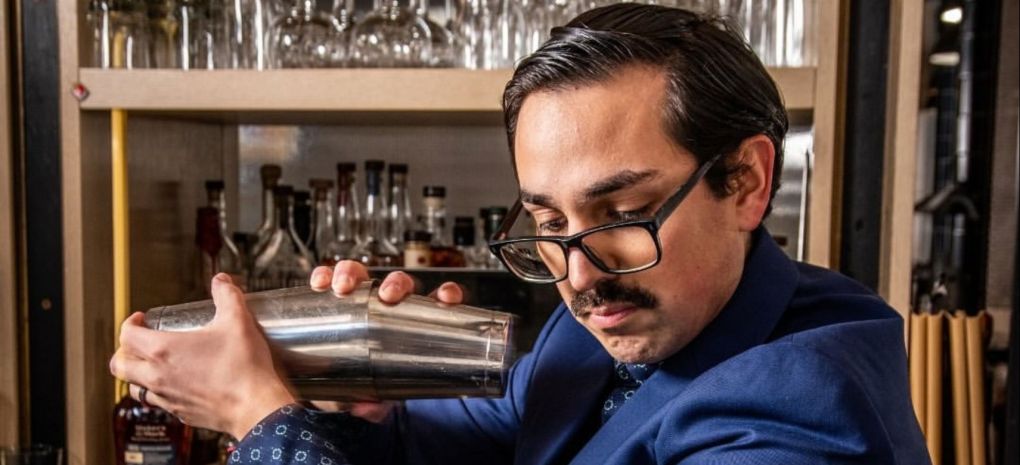
16/09/2026 From washing dishes at 16 to leading beverage and F&B programs, Emiliano Esteban Vazquez-Parrales shares lessons from two decades in hospitality, the value of efficient cocktail preparation and what spirits brands must include in their pitches.
Emiliano Esteban Vazquez-Parrales has spent approximately 20 years working his way through the restaurant industry. He began as a dishwasher before progressing to server assistant, barback, and bartender roles. After nearly a decade behind the bar, he moved into beverage-program leadership, Beverage Director and F&B Manager positions.
Now working at Mariela, Emiliano brings an operator’s perspective to bartending, purchasing, and menu development. He believes successful beverage programs must balance familiar products with opportunities for discovery while completing the difficult preparation before service so bartenders can deliver consistent drinks efficiently.
In this edition of the Know Your Bartenders series, Emiliano discusses his hospitality career, the skills that distinguish great bartenders, the growing influence of culinary techniques, and how spirits brands can earn a place on the backbar.
Tell us something about yourself
I've been working in restaurants since I was 16 years old. I worked my way up from dishwasher to server assistant/barback, then spent about a decade bartending before moving into beverage program leadership and, over the past few years, Beverage Director and F&B Manager roles. It's been a wild 20 years, and I still love the industry.
What inspired you to get into bartending?
I always thought it was the coolest job in the restaurant. Once I got behind the bar, I quickly learned that it was cool, but also incredibly challenging and required a high level of skill, knowledge, organization, and hospitality. Somehow that made me want to do it even more. There is always something new to learn.
What are some of the most important skills for a bartender to have?
Time management and situational awareness are huge. You need to know when it's time to engage with the guests and when it's time to put your head down and knock out some tickets. A great bartender can read the room, prioritize constantly, stay organized, and still make the person sitting in front of them feel taken care of.
What do you look for when you plan to buy spirits for your bar?
I like to have a good mix of the familiar and the conversation starters. Recognizable brands have value because guests already trust them, but I've always loved the conversations around the unfamiliar bottles that let a bartender introduce someone to something special, and sometimes give them a reason to come back.
What support programs work best for you from suppliers?
Activations work really well for me because they give us an opportunity to showcase products that a supplier wants to build awareness around without forcing them permanently onto the menu. A weekend special, tasting, or focused activation lets us introduce the product organically to hundreds of guests. When it's promoted promptly, the restaurant wins, the supplier wins, and we get real feedback on whether the product resonates with our guests.
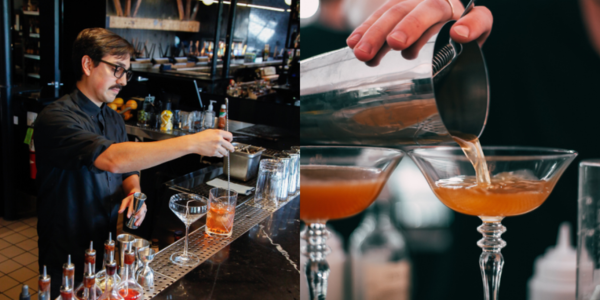
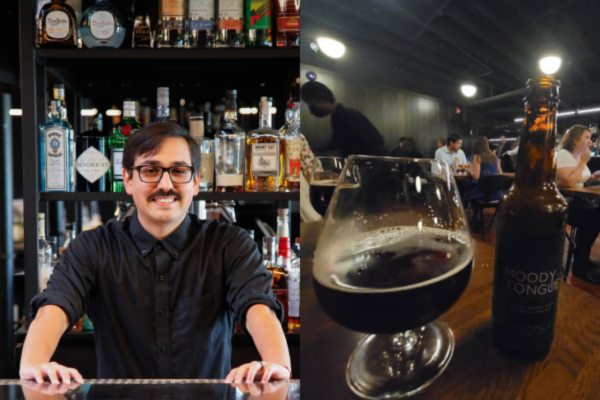
image: Emiliano Vazquez-Parrales: A Mixology Journey Rooted in Inspiration, Expertise, and Passion – From Magic Cards to Crafting Unique Cocktails at Moody Tongue Brewing Co.
Emiliano’s approach gives suppliers a practical way to introduce products to a bar’s guests. Instead of immediately seeking a permanent menu placement, brands can collaborate with the venue on a weekend feature, tasting, or focused activation.
These programs allow the restaurant and supplier to test genuine customer interest, educate the bar team, and gather feedback before making a longer-term commitment.
What cocktail and drinks trends do you see trending right now?
I'm seeing cocktail programs continue to borrow techniques from the kitchen, infusions, clarification, acid-adjustment, foams, carbonation, and other forms of prep-heavy cocktailing. At the same time, large-format batching has become much more sophisticated. The goal isn't complexity for the sake of complexity; it's doing the complicated work before service so the bartender can execute a beautiful, consistent drink quickly when there are 20 tickets in the well.
What's the best part of your job?
The people. I've had the opportunity to work with some truly fantastic people over the years, and now that I'm in leadership, one of my favorite parts of the job is watching someone grow, whether that's a new bartender finding their confidence or an experienced bartender discovering something new.
What are your favorite TV shows right now? Or your favorite movie?
I'm embarrassingly behind, but I'm very much into "Severance" right now.
If you had to pick one spirit as your personal best, which would it be and why?
Mezcal, for sure. I love the incredible range of flavors you can get from different agave varieties, regions, producers, and production methods. It's a category where you can keep learning forever, and there's usually a great story behind what's in the bottle.
How are you marketing your bar to drive foot traffic?
We use a mix of social media, street-facing signage like A-frames, special programming, and targeted promotions. I think the most effective marketing gives people a specific reason to visit rather than simply reminding them that you exist: a great happy hour, a weekly special, an event, a collaboration, or something they feel like they need to experience that week.
Emiliano’s approach to marketing focuses on giving guests a timely and specific reason to visit. Social media and street-facing signage help create awareness, but the message becomes more effective when it promotes a happy hour, weekly feature, collaboration, or special experience.
This turns marketing from a general reminder into a clear invitation. It also gives the bar a regular flow of new material to promote while encouraging guests to return for experiences that are only available for a limited time.
Any tips for bartenders on how to upsell or cross-sell?
Start with something familiar and use it as a jumping-off point for discovery. Ask a couple of questions, learn what the guest already likes, recommend from there. Guests respond to genuine enthusiasm and a good story. The best upselling doesn't feel like selling; it feels like someone helped you discover something you'll love.
What is an experience or a customer story you thought was funny and that you remember?
To this day, I'll never forget a guest who thought my bitters dashers were filled with vinegar. He put some on his salad and immediately thought our vinegar had spoiled. We had to remake the salad, but once we figured out what had happened, it made for a pretty hilarious encounter.
Tips for brands looking to pitch to bars? What should they cover in their pitch? What do you not need to know? Give us the best elevator pitch brands can do to you.
If it doesn't make dollars, it doesn't make cents. Price matters, especially right now, but price alone isn't enough. If you're asking me to replace a product that guests and bartenders already know and trust, tell me why yours deserves a space on the backbar. Does it taste great? Does the pricing make sense? Is there a compelling story? Will you support the launch or help promote it? Give me a great product, a workable cost, and a reason for my guests and staff to care about it, and you've made a very strong pitch.
For spirits brands, Emiliano’s message is direct: a commercially workable price is essential, but it does not create a complete pitch. A new product must also taste good, offer a compelling story, and give the bar a reason to replace something its guests and bartenders already recognize.
Supplier support matters as well. Brands that help launch and promote their products demonstrate that they are interested in building demand rather than simply securing a placement.
Define a good Bartender according to you.
A good bartender understands that the job is equal parts craft, hospitality, and execution. They know their menu, keep a clean and organized bar, work quickly and efficiently, and have the situational awareness to understand what's happening around them. The best bartenders can do all of that while making it look effortless.
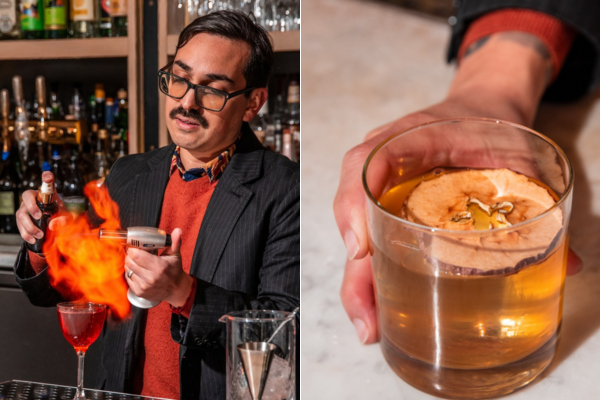
What's an ideal bar drinks menu? What should it include, and what profit metric should it try to achieve?
A great cocktail menu balances familiarity with discovery while maintaining an overall beverage cost around 20% or lower. Not every drink needs to hit exactly the same cost; the menu should work as a whole. Familiar, well-executed drinks build trust, which gives you permission to take guests somewhere more adventurous with the rest of the list. Seasonal features and specials keep things fresh, create reasons to return, and give the program room to experiment without constantly rebuilding the core menu.
Balancing Creativity, Hospitality and Commercial Performance
Emiliano’s answers show how the creative and commercial sides of bartending can work together. Advanced preparation—including clarification, infusions, batching, and acid adjustment—should help bartenders execute drinks more efficiently during service. Complexity must have an operational purpose.
The same balance applies to the menu. Familiar drinks build trust, while more adventurous options create discovery. Seasonal specials allow the team to experiment and give guests new reasons to return without repeatedly changing the core program.
Behind all these decisions is the guest experience. Strong bartenders manage their time, read the room, remain organized, and understand when to focus on production and when to engage with the person sitting in front of them.
Get Your Spirits Evaluated by Leading U.S. Bar Buyers
If you are a spirits brand, distillery, or importer looking to get your products in front of experienced bartenders, beverage directors, bar owners and on-premise decision-makers, the Bartender Spirits Awards gives you that opportunity.
Every 2027 entrant will receive comprehensive feedback on each entry, including:
- A complete score breakdown
- Detailed tasting and mixability notes
- Feedback on how the spirit can be improved
- Recommendations on how to market and sell the product
- Suggested serving and cocktail applications
- Transparency on who judged the spirit
Enter your spirits to receive practical feedback from professionals who understand what makes a product succeed behind the bar.
Enter Your Spirits in the 2027 Bartender Spirits Awards
Get evaluated by leading U.S. bartenders and beverage buyers. Enter by September 30, 2026, and save $100 per spirit.
Also Read:
Know Your Bartenders: Danny Shapiro of Scofflaw Group
U.S. Bartender of the Year Alexis Ortega Joins Bartender Spirits Awards Judging Panel
Jared Sowinski, Upward Projects Beverage Director, Joins 2027 Bartender Spirits Awards Panel
Get evaluated by leading U.S. bartenders and beverage buyers. Enter by September 30 and save $100 per spirit.