


23/04/2026 As bars navigate AI-powered menus, zero-proof premiumization, and $1B low-ABV markets, operators are demanding more than great liquid. In 2026 here's how how America's Beverage Directors are rewriting the rules of spirit selection
The American bar landscape in 2026 is undergoing a seismic recalibration. Behind the polished copper counters and meticulously curated back bars, beverage directors are wrestling with contradictions that would have seemed impossible a decade ago: premium no-alcohol spirits commanding top-shelf pricing, AI algorithms personalizing cocktails in real-time, and guests increasingly ordering 4-ounce wine pours over traditional cocktails. Meanwhile, the low-and-no-ABV category barrels toward a $1 billion threshold, cordials and amari eclipse traditional gin and rum in mixology circles, and hyper-regional ingredients like wild fennel and sotol redefine what "local" means on a menu. Yet amid this innovation explosion, the fundamental question for spirits producers hasn't changed—it's just gotten harder to answer: How do you earn permanent real estate on a working back bar?
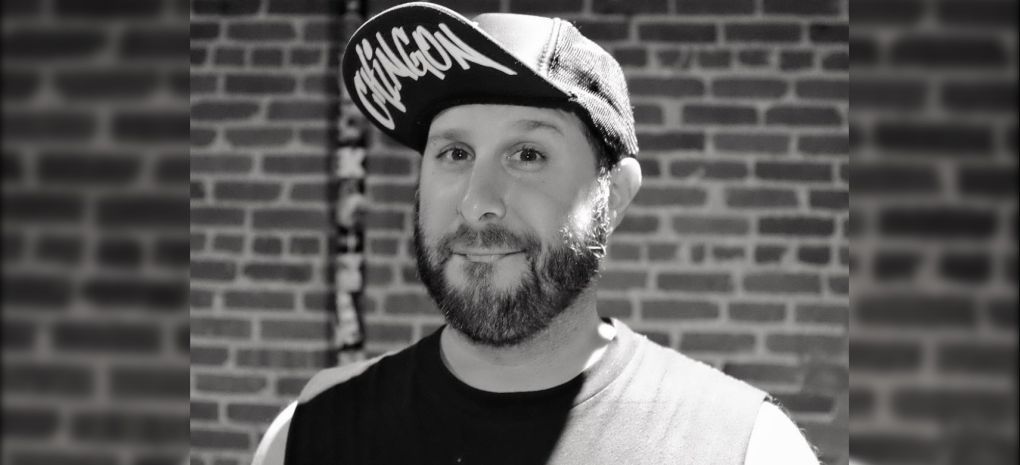
For Eric Hausser, Head Bartender & Beverage Director at Beatnik and Goodfunk, the answer has little to do with flashy marketing campaigns or celebrity endorsements. With experience spanning two-Michelin-star concepts to neighborhood taps, Hausser has developed an uncompromising philosophy: great spirits must work as hard as the bartenders pouring them. In this conversation, he pulls back the curtain on what actually drives spirit selection in 2026. From the practicality of bottle collars and pour spouts to the critical importance of post-placement brand support. His insights reveal an industry where operational excellence, creative versatility, and authentic partnerships matter far more than hype.
Edited excerpts from the interview.
Can you tell us about your journey into bartending and how your experience across different bar concepts has shaped your approach today?
My journey into bartending began like many others, as a server who always wanted to step behind the sticks and get creative. I've always been able to cook and create spectacular dishes, and I looked at bartending very much the same way—you're creating a dish, but in liquid form. I've worked in everything from two-Michelin-star concepts down to the corner tap, and seeing how these different programs require completely different skill sets has helped me develop an appreciation for the one thing that permeates all of them: guest service.
You've worked across a wide range of bar environments—from high-end to neighborhood concepts. How does that influence how you evaluate spirits?
It definitely keyed me in to finding a perfect matrix between quality of product and value for both the property and guest. The high-ticket items or allocated spirits maybe aren't always the best suited for a particular back bar. There are small production companies putting out some incredible juice, and a lot of times it just takes getting these brands in front of the right bar director to get behind a product and really champion the brand.
When judging spirits, what are the first things you look for from a bartender's perspective?
Bottle. If you designed a bottle that is strange or "unique" that doesn't fit anywhere on my back bar conveniently, I'm probably not going to carry it. If you have to make the packaging for your product a visual "pick me" girl, I'm not going to pick you. I understand marketing departments trying to set a product apart from the rest of the pack, but if you have to try that hard to grab my attention, chances are that the product itself is going to be subpar.
How important is mixability and versatility when deciding whether a spirit belongs on a bar program?
In my opinion, it's tantamount. Spirits that work only as standalone sippers are great—they definitely serve their purpose. But when I try something for the first time, my brain is always looking for an answer to "How can I utilize this product to create something of my own?" I want to try a product and be inspired to play around with it. To elevate it. To take a secondary or tertiary flavor I perceive in it and use that as one layer of flavor to create something special.
From your experience, what makes a spirit easy and effective to work with during a busy service?
Once again, bottle design. If standard pour spouts can't fit in the collar of your bottle—larger or standard—I'm much less apt to reach for it when I'm knee-deep in orders. I understand that top-shelf premium options aren't really supposed to get the pour-spout treatment (and mostly won't), but if the bottle is something I'm reaching for repeatedly, someone should have told the marketing department to make it something I want to put in my hand instead of a bothersome bottle.
You bring both creativity and operational thinking—how do you balance innovation with practicality when building a drinks menu?
I take an approach of seasonal flavors and fresh ingredients when I'm building out a menu. Cost concerns are always taken into consideration, but if I am dead set on utilizing a particular ingredient that is a high-ticket item, I need to balance that out elsewhere within the menu. As long as the two ingredients balance each other out to meet in the middle, the high-cost item becomes negligible. I will never sacrifice an ingredient quintessential to a build just because of cost. First and foremost, the drink itself needs to be perfect. If that means a high-cost item, so be it. I'll make up that expense elsewhere to get my cocktail cost where it needs to be.
What are some common mistakes spirits brands make when trying to get listed in bars?
Cold-calling during service. Nothing turns me off to a brand more than a rep coming in at 6:30 p.m. unannounced while the bar is cranking, expecting to have a sit-down and a conversation. My full attention is on the guests, not having to hear about your brand while ignoring them.
How do pricing, margins, and guest expectations influence your spirit selection decisions?
With my standard pours, it is right up front. I will never carry "just okay" spirits as my rail selections. I want spirits that I would want to drink, that I know mix well and stand on their own if a guest wants a shot. To me, finding the happy middle ground of cost and quality is like hitting a home run. If I can find a vodka that I really enjoy at $12 a liter, both the house and the guest win.
What makes a spirit not just taste good in a tasting, but actually succeed on a real back bar?
Marketing and support. Lesser-known brands are always fighting for shelf space in an extremely crowded market. It's very hard to carry the unknown brands that you fall in love with in a tasting if they don't have a little support to throw your way and a solid marketing strategy. Make me want to talk about your product to guests and hand-sell. Make me want to get other members of the staff excited about the product to expose guests to it.
What advice would you give to spirits producers looking to build long-term relationships with bartenders and bar programs?
Show up. Be present. I understand there are a million fish in the sea and once your product is in-house your job is mostly done, but if you don't stop by and support every now and then, I too have a million fish in the sea to choose from. I don't need to carry your product. I'm never one to chase swipes, but check-ins matter. If all you cared about was getting your product on my shelf and then have no follow-up to see how people are enjoying it, why am I carrying it?
Header image sourced from Eric Hausser (Instagram).
Check out the Best Spirits to Stock for Your Bar here. Discover award-winning spirits selected by top bartenders, buyers, and hospitality professionals from around the world. Explore the top-performing bottles for cocktails, back bar programs, and premium pours.