


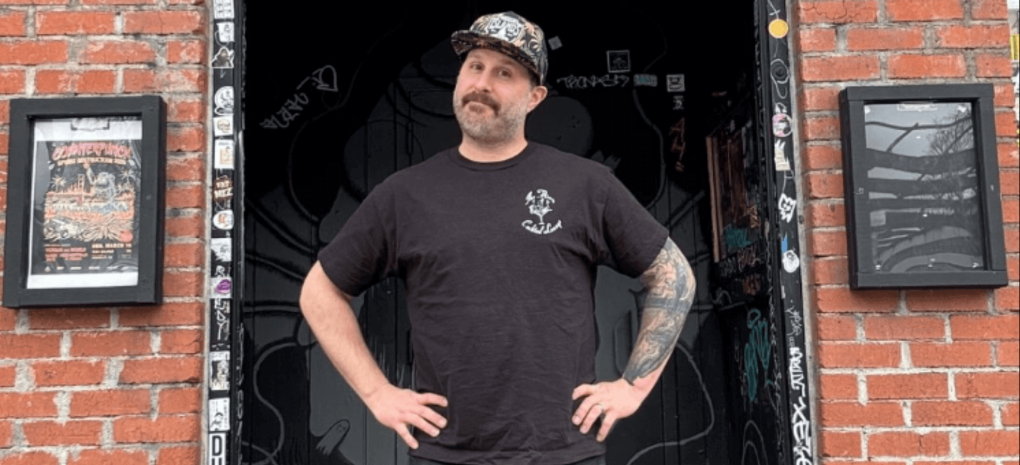
22/09/2026 Eric Hausser discusses the importance of connecting with guests and building a spirits selection that excites the team.
Hospitality veteran Eric Hausser discusses the importance of connecting with guests, building a spirits selection that excites the team, creating meaningful supplier partnerships, and why drinkers are returning to affordable, well-made classics.
With years of experience in hospitality and a passion for creative and conceptual development, Eric Hausser believes a successful bar starts with people. Technique and product knowledge matter, but the ability to welcome guests, hold a genuine conversation, and understand the audience ultimately defines the experience.
At Celeste Group, Hausser values the freedom to work with esoteric, emerging, and distinctive spirits that bartenders can confidently introduce to guests. He also looks for suppliers who are prepared to become visible, long-term partners rather than relying on temporary incentives.
In this edition of Know Your Bartenders, Hausser shares his approach to spirits buying, menu development, staff education and brand pitches, along with his perspective on the renewed demand for simple, affordable and expertly made classic cocktails.
Tell us something about yourself.
I am an overly seasoned hospitality veteran with a passion for creative and conceptual development.
What inspired you to get into bartending?
Honestly, it was the freedom to take time off when needed. I played in a touring band for a very long time, and the ability to leave for a month here and there and still return to a job was key.
What are some of the most important skills a bartender should have?
People skills and the way you handle your bar top are incredibly important. If you cannot communicate with people on a relatable level or carry a conversation with complete strangers, the quality of your cocktail does not matter.
What do you look for when buying spirits for your bar?
Every bar needs the familiar call spirits its regulars expect, and those products will make it onto the shelf for better or worse.
For me, however, the freedom to curate a selection of esoteric, fun, and emerging brands that I am passionate about is part of what makes a bar interesting. I want to give the staff products they can become excited about, explore in greater depth, and confidently discuss with guests.
What supplier support programs work best for you?
Genuine brand partnerships work best. I am not looking for temporary incentives or “swipes.” That is the lowest form of support, and it eventually dries up. When that happens, the bar may be forced to change brands within a spirit category, especially if the product is featured in a menu cocktail.
I want to work with brands that genuinely want to be front-facing in the establishment. Partner with us on events, show your face and maintain a presence. That creates a much stronger and more sustainable relationship.
What cocktail and drinks trends are you seeing?
The classics never die. I am seeing a significant increase in guests returning to simple, well-crafted classic cocktails made with quality spirits. People also want an affordable drink.
Thankfully, I feel the days of 12-touch cocktail builds involving multiple quarter-ounce ingredients and carrying a $20 price tag may be on the way out.
What is the best part of your job?
Connecting with guests. I am always expanding my network of people, both professionally and personally.
If you had to choose one spirit as your personal favorite, what would it be?
Kavalan Vinho Barrique. Once you get past the high proof, it is absolutely beautiful on the palate.
How are you marketing your bar to generate foot traffic?
I am not actively marketing it. Thankfully, it has become popular organically.
What advice would you give bartenders about upselling or cross-selling?
It comes back to having products and brands that genuinely excite the staff. If you educate the team through tastings and carry interesting products, upselling and cross-selling should happen naturally.
When bartenders understand a product and are enthusiastic about it, their recommendations feel authentic rather than transactional.

What advice do you have for brands pitching their products to bars?
Keep the pitch short and focused. Give me useful details about how the product is made and explain how you will support the establishment if I decide to bring it in.
Let me taste the product and share a concise story about the people behind the brand. I want to understand what makes it distinctive, why it belongs in the bar, and what kind of partnership you are prepared to build.
And never bring me “nepo agave.”
How do you define a good bartender?
A good bartender is constantly pushing forward while remaining curious and creative. Pay attention to trends, but do not let them dictate your entire program.
What makes an ideal drinks menu?
Every good menu needs balance and should represent the major spirit categories well. It should offer a little something for everyone while remaining seasonally appropriate.
Do your best to achieve an average beverage cost of approximately 20%. More importantly, know your audience and do not force things on your guests. Not everyone sitting at the bar is there to expand their horizons. Some people simply want a familiar, well-made drink and an enjoyable experience.
Also Read:
Know Your Bartenders: David Mor of Mariela, Mirra, Lilac Tiger and Truce
Know Your Bartenders: Emiliano Esteban Vazquez-Parrales of Mariela
Know Your Bartenders: Danny Shapiro of Scofflaw Group
Get evaluated by leading U.S. bartenders and beverage buyers. Enter by September 30 and save $100 per spirit.