


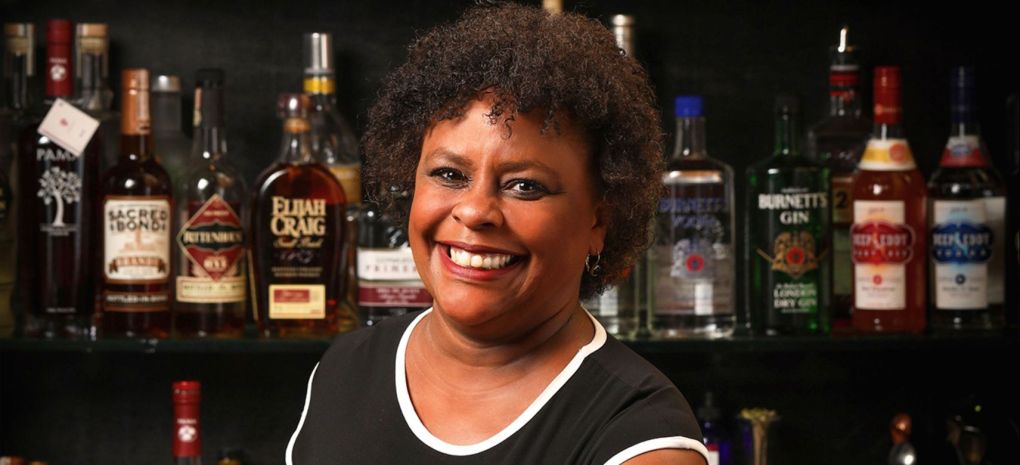
22/09/2026 From an award-winning acting career to becoming a respected hospitality professional, Lynn Michele House shares her approach to bartending, beverage programs, supplier support, and building commercially balanced drink menus.
Lynn Michele House brings together performance, hospitality, product knowledge, and an instinctive understanding of people. Before building her career in the beverage industry, she earned a BFA in Theatrical Performance from Miami University and continued her studies at the British American Drama Academy in Oxford, England.
Lynn worked professionally as an actor for 18 years. Her career included touring with children’s theatre companies, performing Off-Broadway and winning a Best Actress award for The Gift Horse at Chicago’s acclaimed Goodman Theatre. Like many professional actors, she supported herself by working in restaurants and bars, an experience that eventually developed into a lasting career in hospitality.
Now working with Heaven Hill Brands, Lynn draws on her experience behind the bar and managing beverage programs to support education, thoughtful brand engagement, and stronger connections between spirits producers and hospitality professionals.
In this edition of the Know Your Bartenders series, Lynn discusses the skills every bartender needs, how she selected spirits for her beverage programs, the continuing popularity of spritzes and low-ABV cocktails, and what brands should include when pitching their products to bars.
Tell us something about yourself
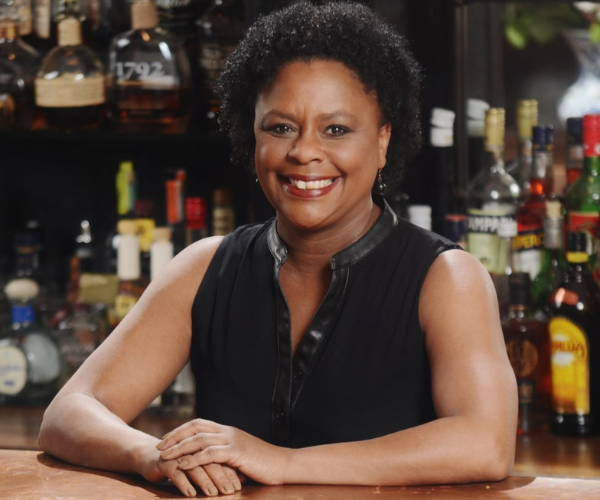
My degree is in Theatrical Performance. I received my BFA from Miami University and then went on to study Theatrical Performance at the British American Drama Academy in Oxford, England.
I worked professionally as an actor for 18 years. I toured the country as a member of several children’s theatre companies, performed Off-Broadway and won a Best Actress award for The Gift Horse at the acclaimed Goodman Theatre.
What inspired you to get into bartending?
Like most professional actors, I paid the bills by bartending and waiting tables.
For Lynn, hospitality initially provided the flexibility required to pursue an acting career. Over time, however, bartending became much more than a supporting job. It offered another kind of stage where preparation, awareness, communication, and the ability to connect with an audience remained essential.
The skills developed through theatrical performance can translate naturally to hospitality. Reading a room, remaining composed, communicating clearly and creating a memorable experience are valuable whether someone is performing in a theatre or welcoming guests across a bar.
What are some of the most important skills for a bartender to have?
Being organized, knowing how to read a room and anticipate guests’ needs, working cleanly, and being able to smile.
Lynn’s answer highlights the balance between operational discipline and emotional intelligence. Organization and cleanliness allow bartenders to work efficiently, while reading the room helps them understand what each guest needs from the experience.
Anticipating a guest’s needs before being asked can distinguish genuinely attentive hospitality from basic service. Even something as simple as being able to smile can influence the atmosphere of the bar and make guests feel welcome.
What did you look for when buying spirits for your bar?
When I ran beverage programs, I looked for spirits that were well made. That did not necessarily mean the most expensive brands, but they had to be well crafted.
I also looked to the season. I believe what you carry behind the bar should reflect the seasons as well.
This approach gives quality priority over price or reputation. A well-made spirit can deliver value at different price points, provided that it has a clear purpose within the beverage program.
Seasonality is equally important. A spirits selection should support the drinks guests are likely to order at that time of year. Bright, fresh, and lighter options may perform well during warmer months, while richer and more contemplative styles can become more relevant as the seasons change.
What support programs work best for you from suppliers?
Brand education and staff incentives.
Education gives bartenders the knowledge and confidence required to explain a spirit, recommend it to guests, and use it effectively in cocktails. Without that understanding, even a strong product can struggle to gain meaningful support from the team.
Well-designed staff incentives can create additional engagement, but they work best when combined with genuine education. Bartenders should understand how the product is made, what differentiates it, and where it fits within the bar’s program.
What cocktail and drink trends do you see gaining momentum?
Spritzes continue to be popular, along with low-ABV cocktails made with fresh ingredients.
The continuing popularity of spritzes reflects demand for drinks that are refreshing, social, and suitable for a wider range of occasions. Their lighter structure also makes them relevant for brunch, afternoon drinking, aperitivo occasions and longer hospitality experiences.
Low-ABV cocktails give guests the opportunity to moderate their alcohol consumption without stepping away from the ritual and flavour of a well-made drink. Fresh ingredients can strengthen that experience by adding seasonality, colour and an immediate sense of quality.
For bars and spirits brands, this creates opportunities to develop drinks that are approachable, food-friendly and easy for guests to understand.
What is the best part of your job?
People. I have had the opportunity to meet some of the most amazing people throughout the world.
Hospitality and the beverage industry have given Lynn a global network built around shared experiences, education, and a passion for drinks. Her answer reinforces a central principle of bartending: products matter, but people ultimately define the industry.
Every service, training session, brand event and industry gathering creates an opportunity to build a new relationship. Those connections can become one of the most rewarding and enduring parts of a career in hospitality.
What are your favourite television shows or movies?
I am always down to watch a Law & Order rerun. I love culinary-based shows as well. I have known quite a few of the competitors who have appeared on Top Chef. It is always fun to see friends and colleagues have their moment in the sun.
If you had to select one spirit as your personal favourite, what would it be and why?
I do not drink it often, but there is nothing like a beautiful Cognac from the Grande Champagne region.
Grande Champagne Cognac is admired for its elegance, complexity and ageing potential. Lynn’s choice reflects an appreciation for spirits that reward careful production, patience and thoughtful enjoyment.
How did you market your bars and drive sales?
When I ran bars, having a well-trained team was what drove sales. I insisted that team members knew everything about any product they would touch: spirits, wine, beer, coffee, tea and food.
Rather than treating marketing only as external promotion, Lynn focused on the experience delivered inside the venue. A knowledgeable team can explain products clearly, make confident recommendations, and help guests discover something suited to their tastes.
This level of education also supports natural upselling. When bartenders understand the complete offering, they can connect cocktails with food, recommend an alternative spirit or guide a guest towards a more appropriate choice without making the interaction feel overly commercial.
The team becomes one of the bar’s most effective marketing tools because knowledgeable service gives guests a reason to return and recommend the venue to others.
What advice would you give spirits brands pitching their products to bars?
Brands should always know which three points make them a great fit for the establishment.
A successful pitch should make the product’s relevance immediately clear. Brand representatives need to understand the venue, its guests, its menu, its pricing, and the style of its beverage program before approaching the buyer.
The three points will vary by account, but they should explain why the spirit belongs in that particular bar. They might cover production quality, suitability for the cocktail program, commercial value, seasonal relevance, consumer demand, or the education and activation support available from the supplier.
The strongest pitch is concise and account-specific. Rather than presenting every detail about the brand, suppliers should focus on the reasons the buyer should care and how the product can contribute to the success of the program.
Define a good bartender
Knowledgeable, attentive, and friendly.
These three qualities capture the foundations of successful hospitality. Knowledge allows a bartender to prepare drinks correctly and guide guests confidently. Attentiveness helps them recognize what is happening throughout the room. Friendliness makes the interaction feel welcoming and genuine.
Technical skill remains important, but it becomes more valuable when it supports a positive guest experience.
What makes an ideal bar drinks menu, and what profit metric should it achieve?
I learned from the Lettuce Entertain You model. An overall beverage cost of 22.5% was what I aimed to meet.
A great bar menu should be balanced, with a little something for everyone.
A balanced menu gives guests different ways to participate in the beverage program. It should account for varying preferences, price points, occasions, flavour profiles, and levels of alcohol consumption.
That could mean offering refreshing and spirit-forward cocktails, recognizable classics, seasonal drinks, low-ABV choices, neat pours and options that work well with food. The selection should feel broad enough to welcome different guests without becoming difficult for the team to explain or execute.
Lynn’s 22.5% beverage-cost target also demonstrates that creativity must work alongside financial discipline. An appealing menu needs to generate the margins required to support labour, ingredients, training and the overall guest experience.
Knowledge, Attention and Commercial Discipline
Lynn Michele House’s approach to hospitality is built around preparation and an understanding of people. Her background in performance taught her how to read a room, communicate with an audience, and remain present—all skills that transfer directly to bartending and beverage leadership.
Her buying philosophy prioritizes well-crafted spirits rather than assuming the most expensive product is automatically the best. She also believes that backbar selections should respond to the seasons, allowing beverage programs to remain relevant to changing guest preferences and drinking occasions.
For suppliers, her message is practical: educate the team, create meaningful staff engagement, and clearly explain why the product is a strong fit for that specific establishment. Buyers do not need a generic brand presentation. They need a concise and commercially relevant reason to add the spirit to their program.
Above all, Lynn’s answers show that a successful bar depends on knowledgeable people. A well-trained team can improve recommendations, build guest trust, drive sales, and turn a balanced drinks menu into a memorable hospitality experience.
Get Your Spirits Evaluated by Leading U.S. On-Premise Professionals
If you are a spirits brand, distillery, or importer looking to place your products in front of experienced bartenders, beverage directors, bar owners, and hospitality buyers, the Bartender Spirits Awards provides that opportunity.
The Bartender Spirits Awards is the only U.S. spirits competition focused exclusively on the on-premise market. Spirits are evaluated by working bartenders and on-premise professionals based on the qualities that influence real purchasing and menu decisions.
Every 2027 entrant will receive comprehensive feedback on each entry, including:
- A complete score breakdown
- Detailed tasting and mixability notes
- Feedback on how the spirit can be improved
- Recommendations on how to market and sell the product
- Suggested serving and cocktail applications
- Transparency on who judged the spirit
Enter your spirits in the 2027 Bartender Spirits Awards and receive practical feedback from leading U.S. bartenders and beverage buyers who understand what makes a product succeed behind the bar.
Also Read:
Know Your Bartenders: Eric Hausser of Celeste Group
Know Your Bartenders: Emiliano Esteban Vazquez-Parrales of Mariela
Know Your Bartenders: David Mor of Mariela, Mirra, Lilac Tiger and Truce
Get evaluated by leading U.S. bartenders and beverage buyers. Enter by September 30 and save $100 per spirit.