



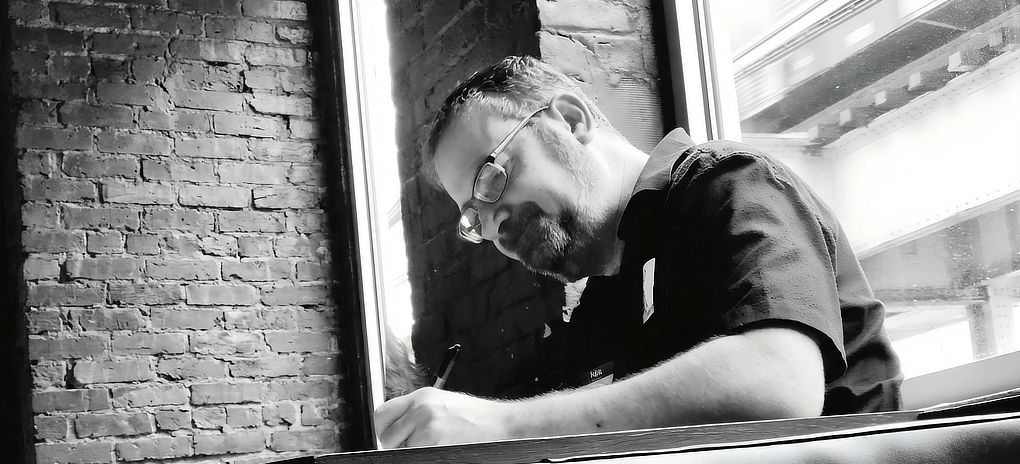
01/04/2026 Whiskey expert Jeffrey M. Schwartz shares insights on tasting, innovation, and how brands can win both competitions and the market
The whiskey category is one of the most complex and differentiated in the spirits industry. From the storied traditions of Scotch to the lighter character of Irish whiskey, and the relatively recent emergence of American Single Malt as a recognized style, the landscape continues to expand. Japanese and Indian whisky, along with a growing number of producing nations, add further layers of diversity and novelty to an already nuanced category.
Regulatory frameworks, production methodologies, and evolving consumer preferences contribute to an extraordinary range of variation — one that can make education in this space both critical and challenging. Yet the digital age has fundamentally shifted the consumer dynamic. Access to information has empowered a new generation of whiskey drinkers who can confidently differentiate between styles and articulate their preferences with increasing sophistication.
In this regard, enter Jeffrey M. Schwartz — a Whisky Consultant former contributor for Bourbon & Banter. A Certified Bourbon Steward with the Stave & Thief Society, and a member of the Bourbon Mafia, Schwartz, in his own words, describes himself as someone who enjoys "working with folks in all aspects of the whiskey industry." He hosts workshops and tasting events at distilleries, bars, liquor stores, and private events, and serves as a copywriter for distilleries. He also accepts samples with the fundamental and mutual understanding that they result in honest, no-strings-attached reviews.
Now a part of the judging panel at the Bartender Spirits Awards 2026, we spoke with Schwartz to better understand the world of exceptional whisky, innovation in the space, and how whiskey producers can leverage competition wins to drive commercial success.
Edited excerpts from the interview.
Can you tell us about your journey into whiskey and what led you to start Whiskeyfellow?
I was a late bloomer. I didn't imbibe until I was in my 30s. Early in my marriage, my wife suggested I find an adult beverage to help me "fit in" and be less socially awkward. That was when I chose a small bottle of Dewar's White Label, and suddenly, I was into Scotch. A few years later, at the behest of a friend, I tried Bourbon, and I fell into the rabbit hole that is the wonderful world of whiskey. I wanted to learn everything that I could about it. And, after all these years, I still continue to do so.
Whiskeyfellow is, and always has been, a passion project. I was writing reviews and advice columns for Bourbon & Banter and, after a few years, decided to self-publish. We eventually parted ways, on good terms. Since then I have been hosting guided tastings, pouring for brands at events, and picking barrels for liquor stores, bars, and a whiskey club I belong to.
As someone deeply focused on whiskey, what defines a truly great whiskey for you, beyond just technical quality?
Technical quality is important, but so is innovation and thinking outside the box. My goal is to understand what the distiller hoped to achieve when they began the journey. If it is a blend, I want the individual components to retain their characters. If there is a barrel finishing cycle, I want the whiskey's character to remain evident. A great whiskey tells a story beyond a brand's marketing.
When judging whiskey in competitions, what are the key elements you look for in the glass?
When it comes to judging what's inside the bottle, I stick to the basics: color, clarity, and aroma.
How do you evaluate balance between oak, spice, sweetness, and alcohol when assessing a whiskey?
A well-balanced whiskey delivers enough flavors without overwhelming the palate and throat post-swallow, while also offering enough of the oak's character without seeming "over-oaked." The balance between sweet, savory, and spice depends heavily on the type of whiskey being evaluated, in relation to the characteristics already expected from that style, while also ensuring nothing is, or seems, disjointed. However, it must be said that no one-size-fits-all formula exists.
With the rise of cask finishes and experimental styles, how do you distinguish true innovation from gimmicks?
Barrel finishing, experimental styles, and even producing flavored whiskeys all raise the same question in my mind: is the producer trying to salvage mediocre — or even bad — whiskey? The answer almost always shows up in the final product. Barrel finishes and even flavorings should complement a whiskey, not hide it. Things become gimmicky when there is a sudden industry trend. For instance, a few years ago, everyone released an Amburana cask finish almost simultaneously. Innovators take risks and try unique things with grains, proofing, casks, and even warehousing — but all of these processes hint at genuine innovation only when they complement the original spirit, rather than serve as a last resort to make the liquid palatable.
Across bourbon, Scotch, Irish, and emerging world whiskies, which styles or regions excite you the most right now?
I lead a Drink Curious lifestyle, which means I am up for trying anything and everything. But over the last year, American Single Malts have been the ones that excite me the most, as the category is legally brand-new. For non-American whiskeys, India is producing some incredible expressions and is only getting better. Personally speaking, a great Bourbon always brings me joy.
There is a longstanding belief that older whiskey is inherently better whiskey. How do you weigh age statements against actual maturation quality when evaluating a spirit?
Age is a number. I've had awesome young whiskeys, and I've had undrinkable older ones. My only takeaway from this debate is to taste what's in the barrel regularly, and, with American whiskeys in particular, don't risk over-oaking to market an age statement. The whiskey will tell you when it is ready.
You are known for your unbiased, no-advertising approach. How would you suggest whiskey brands build credibility with reviewers and judges?
The biggest credibility gap, at least for me, is when a brand emerges from nowhere with a super-premium spirit. Very few brands can market whiskeys that command hundreds — or thousands — of dollars, and the brands that do have built a reputation of excellence.
On a similar note, when you make a promise, keep it. If you tell a reviewer that you are going to send a sample, follow through. At the same time, if you are not interested in sending a sample, be truthful. A talented reviewer does not require an entire bottle to write a thorough review. If you republish excerpts of these reviews on your website, do not forget to credit the reviewer or competition. Stating "Winner of three gold medals" without mentioning who awarded the medals is suspicious, as is taking glowing snippets from reviews without attribution.
The paramount thing to understand is that an unbiased reviewer or spirits judge does not love everything simply because you provided a sample. Most of us want you to succeed. We know that, as craft distillers, you have poured your hearts and souls into your brands. While it can be challenging not to get angry or upset about the outcome, the worst thing you can do is express dissatisfaction with our ratings and demand that they be changed. Instead, learn from the rating and advice given. When I find something that is lacking, I usually explain why and where improvements can be made. Make those changes, resubmit, and do so with the reviewer or competition that tasted your previous product — it demonstrates that you genuinely care about your craft and are seeking honest feedback.
In your view, what separates a whiskey that scores well in competitions from one that succeeds commercially in the real market?
As much as I hate to admit it, to succeed commercially, packaging matters. In a competition, unless you are vying for best packaging, the only thing that matters is the quality of your whiskey. We observe the liquid's appearance, aroma, flavor, and finish. Produce attractive packaging, and you will likely get someone to buy it. Make great whiskey, and you will earn loyal customers who return to you time and time again. Your opportunity to shine is in competitions and in building relationships with established, fair whiskey reviewers.
What advice would you give to whiskey producers entering competitions to maximize both their scores and market impact?
Anyone can make a "me too" whiskey. You do not have to reinvent the wheel, but create whiskeys that differentiate your brand from the hundreds of others on the shelf. If you are sourcing, be transparent and consider learning how to blend. Tinker with barrel finishes. Stay away from minimum requirements — 40% ABV may help you stretch dollars, but the only desirable proof is the one that makes the whiskey taste its best, and if that is 40%, then go with that. There is only one opportunity to make a great first impression. Do not squander it.
Enter the 2027 Bartender Spirits Awards for expert evaluation from U.S. bartenders and on-premise buyers. Receive detailed scores, practical feedback on how to improve, market and sell your spirits, and see who judged your products.